

Report On The 4th African Symposium On Big Data, Analytics And Machine Intelligence 2025
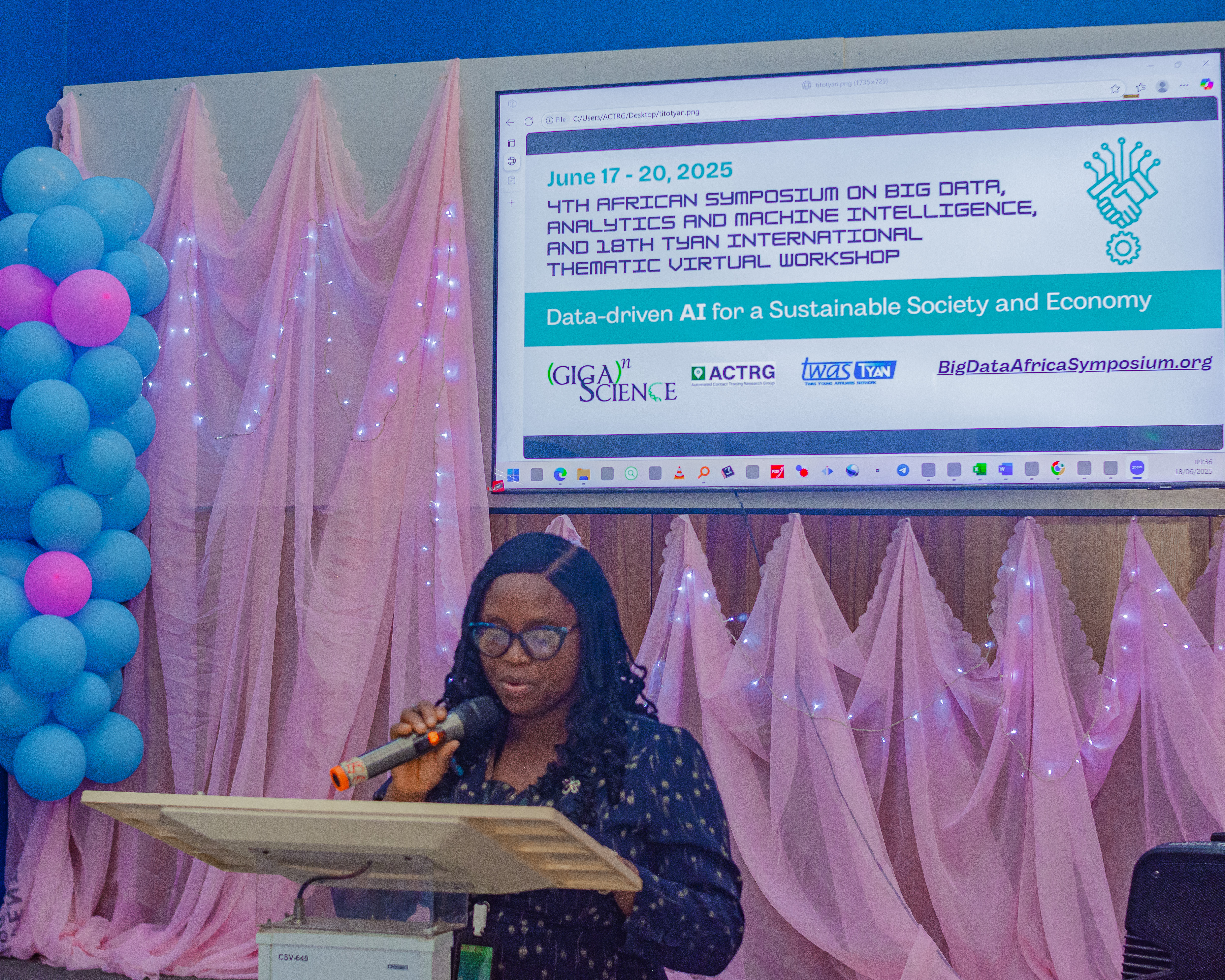
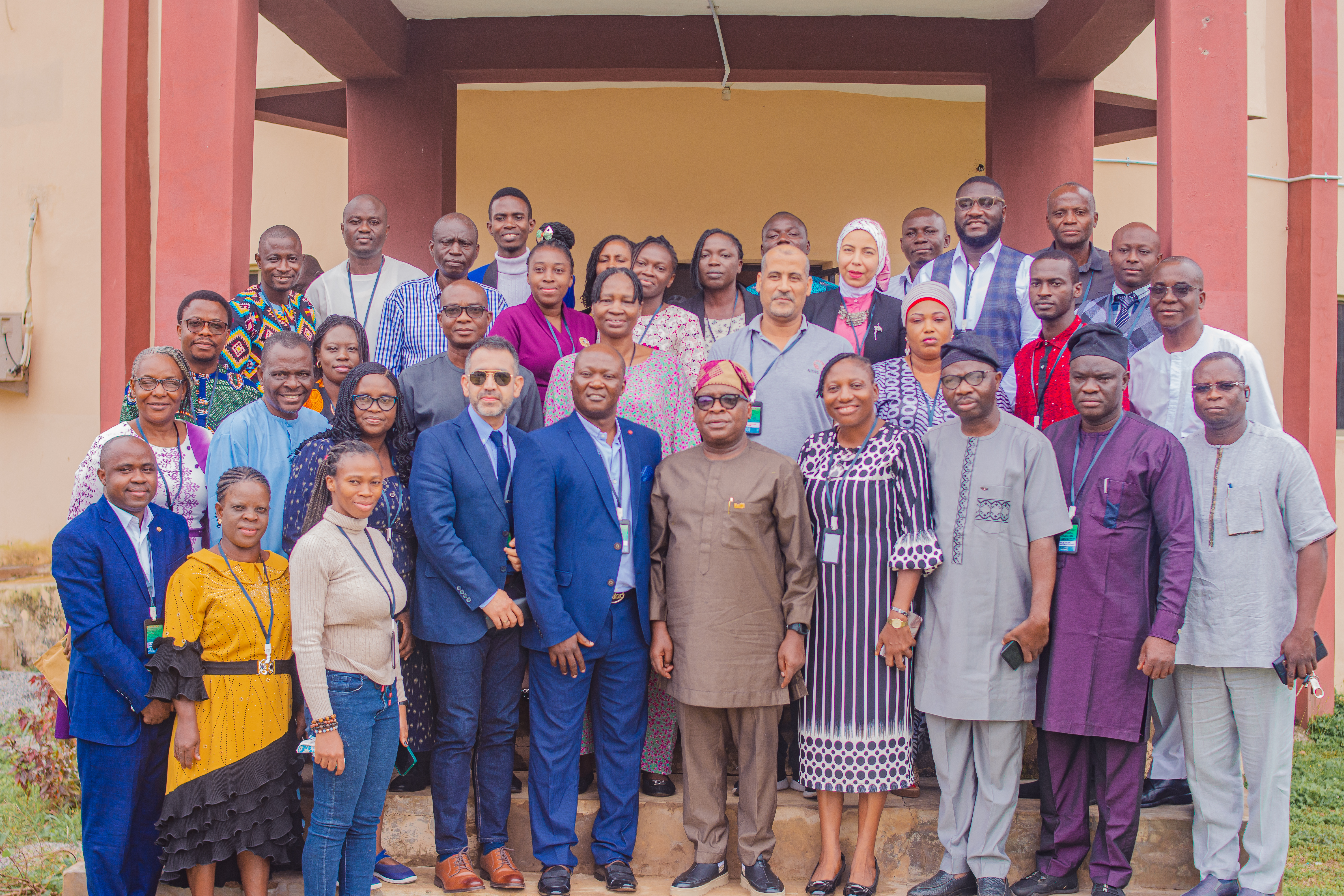
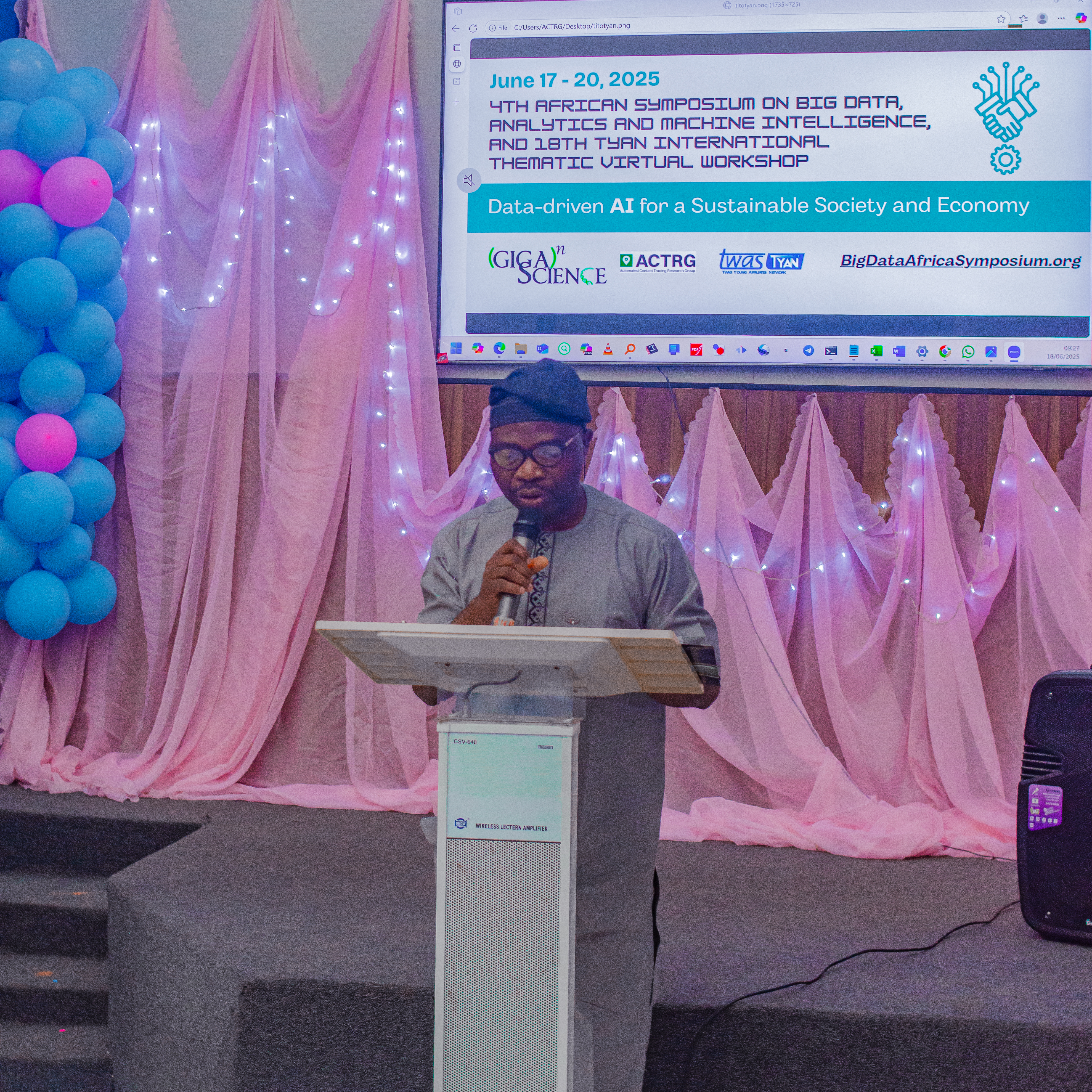
The 4th African Symposium on Big Data, Analytics, and Machine Intelligence, held from June 17–20, 2025, at the Federal University of Technology, Akure (FUTA), brought together leading researchers, policymakers, and professionals to explore the role of data and AI in sustainable development. Organized in conjunction with the 18th TWAS-TYAN International Thematic Workshop and the N-SLP Workshop, the symposium featured hybrid (virtual and physical) participation. The event was supported by the Commission on Science and Technology for Sustainable Development in the Global South (COMSATS), GigaScience Press, and the School of Computing, FUTA. Proceedings shall be submitted in CEUR-WS.org for online publication.
A key highlight of the event was the goodwill message from Ondo State Governor Lucky Aiyedatiwa, who emphasized the need for leveraging big data, analytics, and artificial intelligence to drive innovation, economic growth, and job creation in the state. He stated that technological collaboration is central to achieving Ondo State’s “OUR EASE” agenda, which seeks to revolutionize industrialization, empower youth through ICT training, and improve public sector efficiency. The governor was represented at the symposium by the Secretary to the State Government, Dr. Taiwo Fasoranti.
Read more here: Aiyedatiwa seeks tech collaboration to drive innovation, jobs in Ondo – The Hope Newspaper
The symposium featured keynote presentations, plenary sessions, and panel discussions addressing pressing global and regional challenges. Topics ranged from AI for sustainable healthcare, gender equity in EdTech, and satellite imagery for development, to ethical frameworks, capacity building, and international collaborations. Experts from across Africa, Europe, North America, and the Middle East shared cutting-edge insights aimed at driving impactful, inclusive, and responsible AI innovation across sectors.
For a full overview of the presentations, contributors, and thematic sessions, please refer to the attached Book of Abstracts.
OPENING SESSION
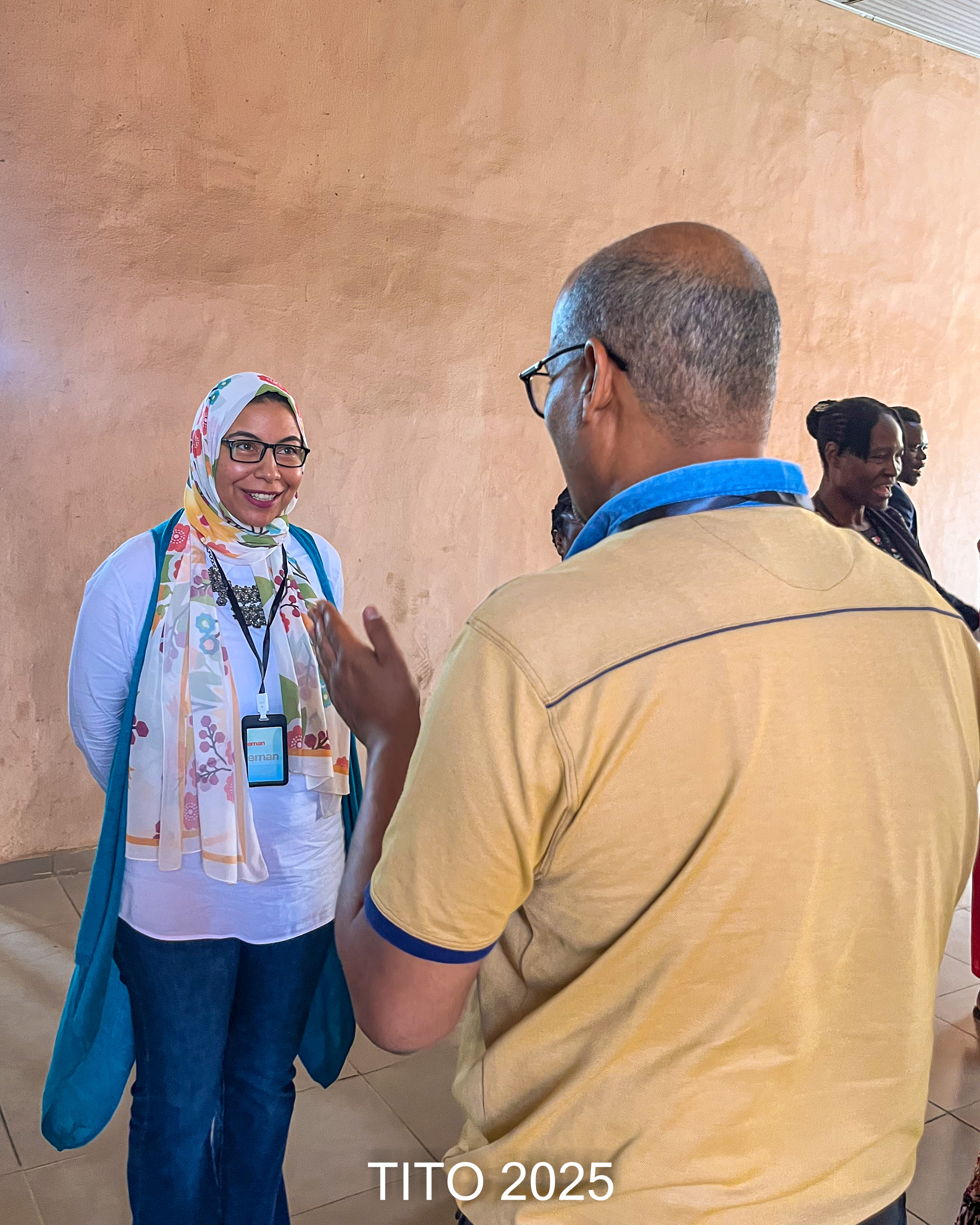
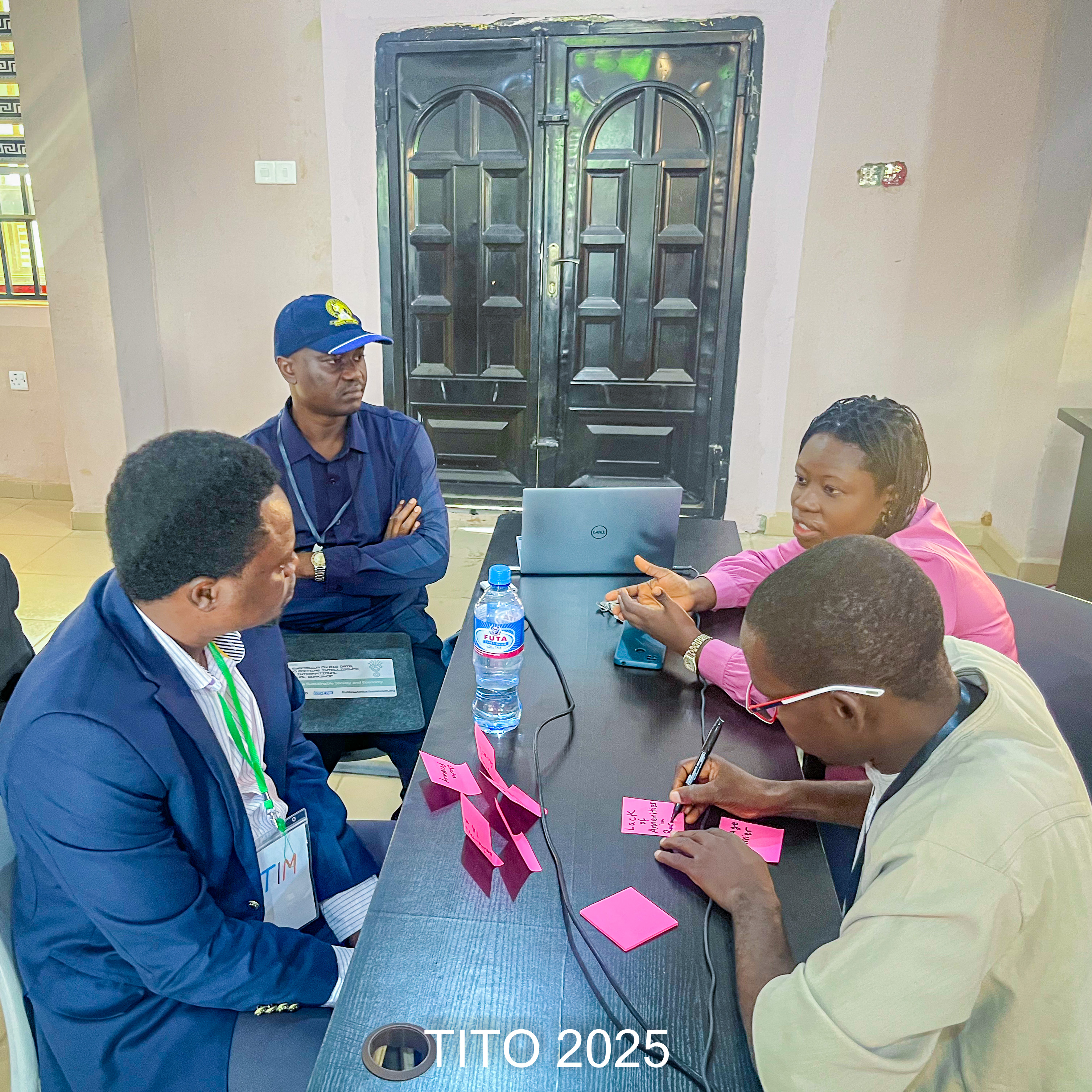
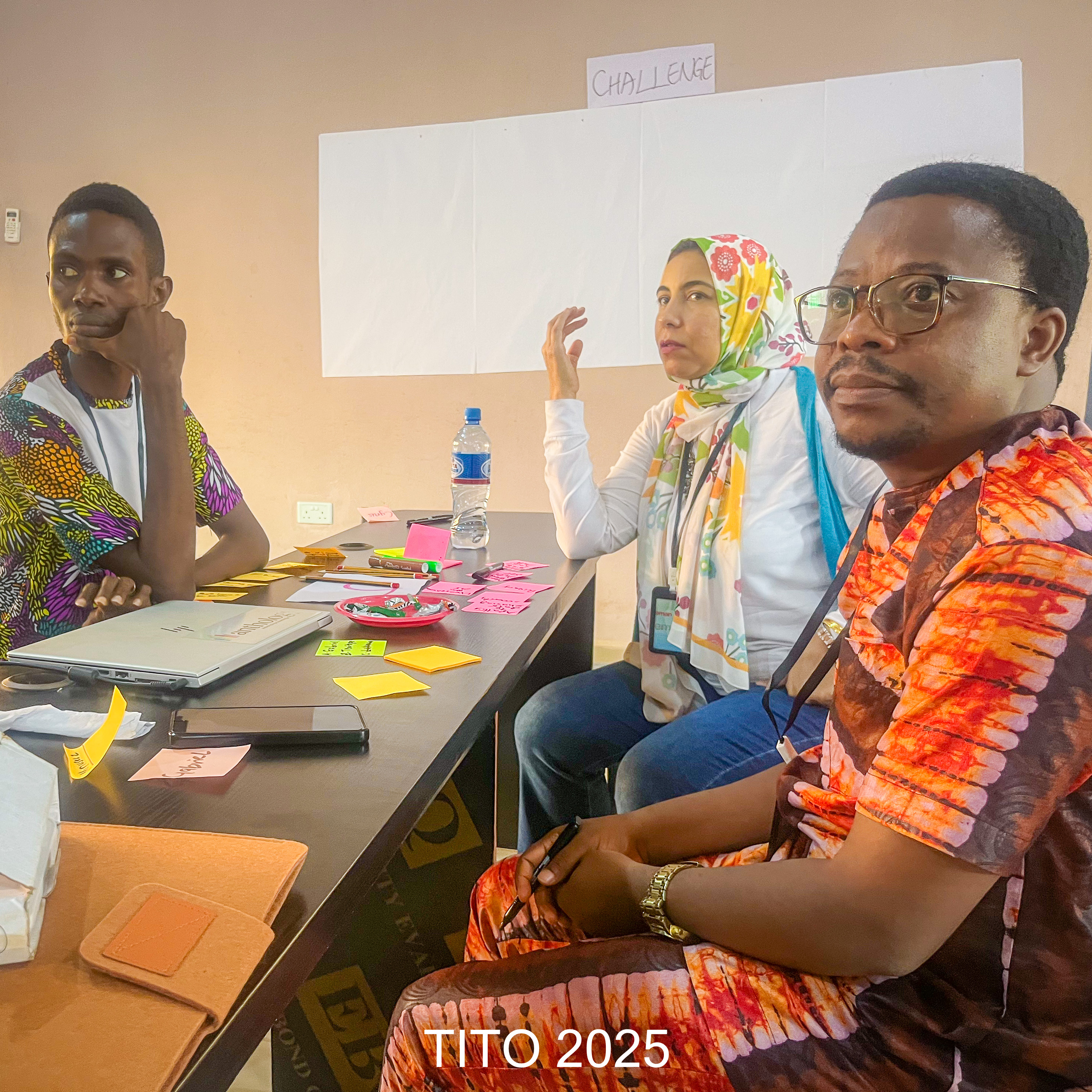
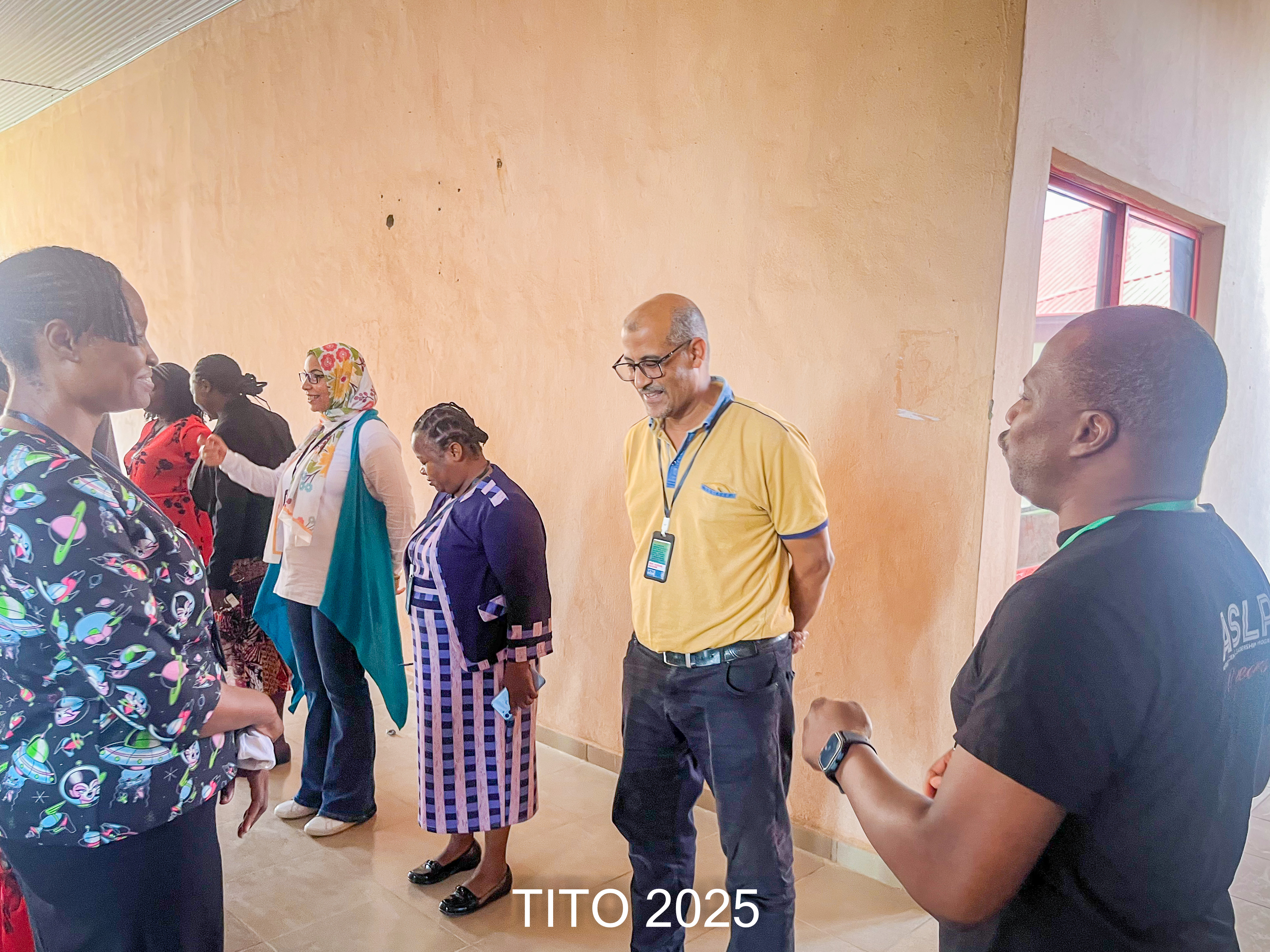

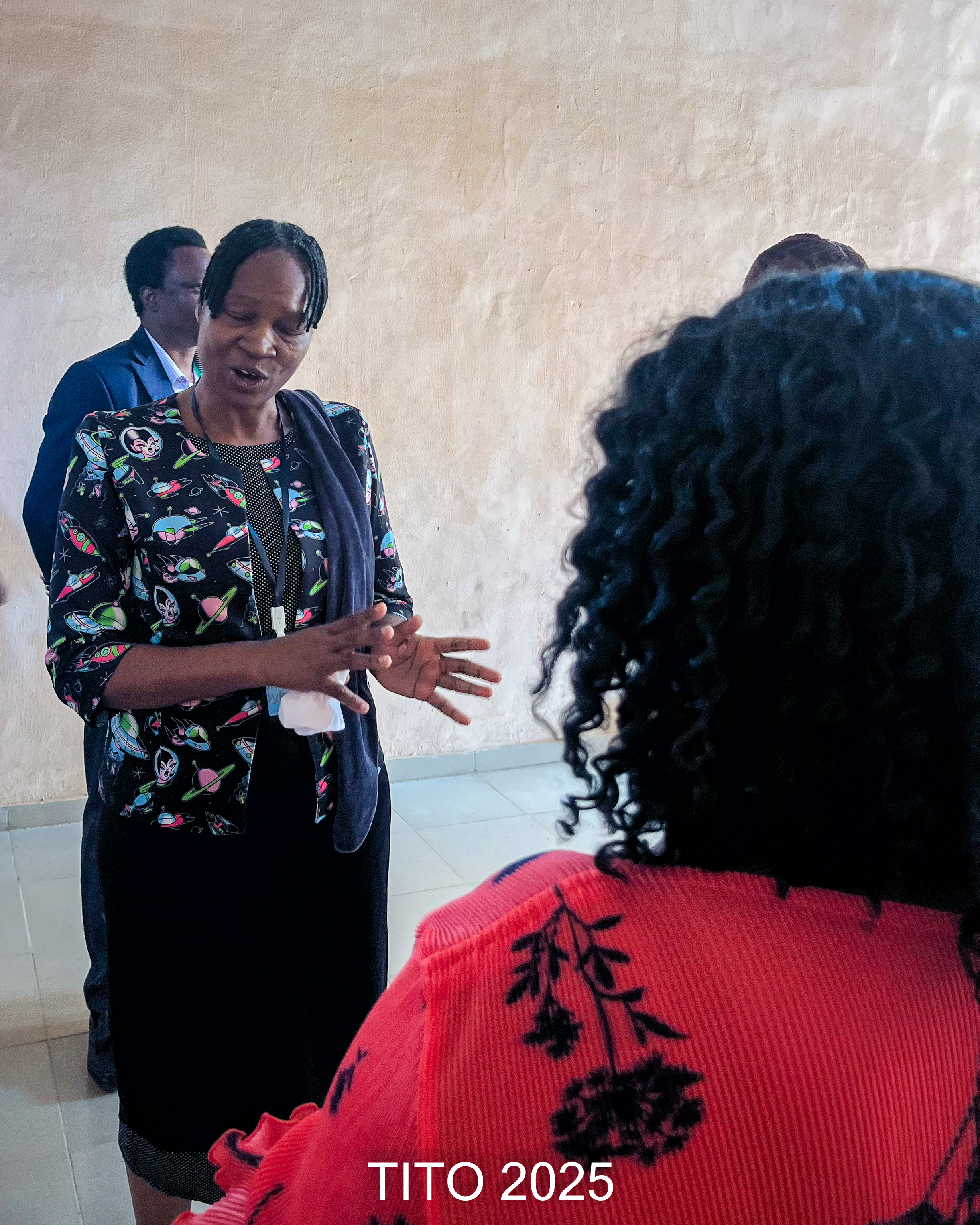
Dignitaries Present
- Amb. Dr. M. Nafees Zakaria – Executive Director, COMSATS
- Prof. Fang Chen – Co-Chair, TWAS Young Affiliates Network
- Representative of Ondo State Governor, Mr. Lucky Aiyedatiwa
- Prof. Ingmar Weber – AVH Professor in AI, Saarland University, Germany
- Prof. KC (Casey) Santosh – Chair, Computer Science Department, University of South Dakota, USA
- Prof. Emile Chimusa – Northumbria University, UK (Co-Organising Chair)
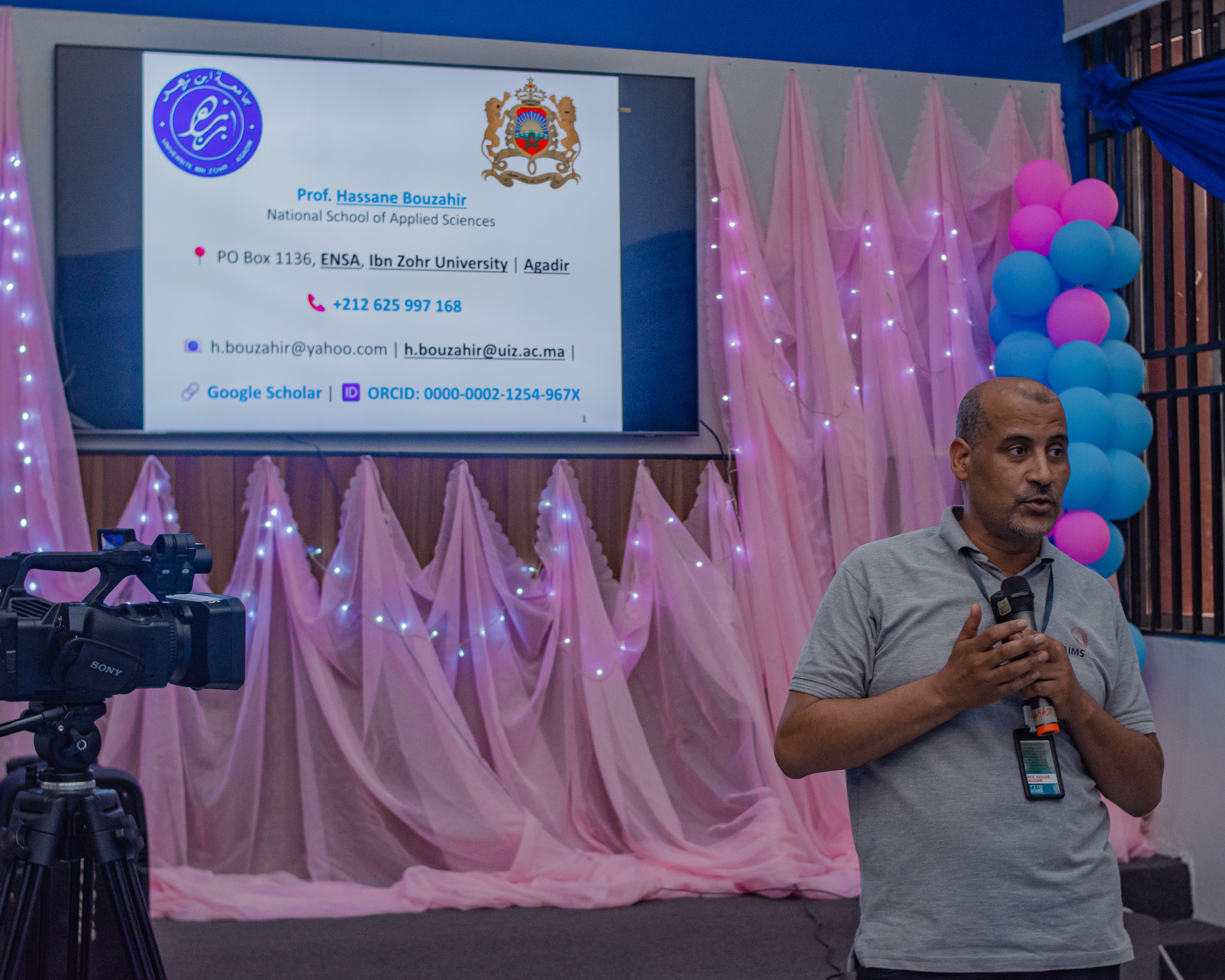
- Prof. Hassane Bouzahir – Ibn Zohr University, Morocco




KEYNOTE PRESENTATIONS
Keynote Presentations
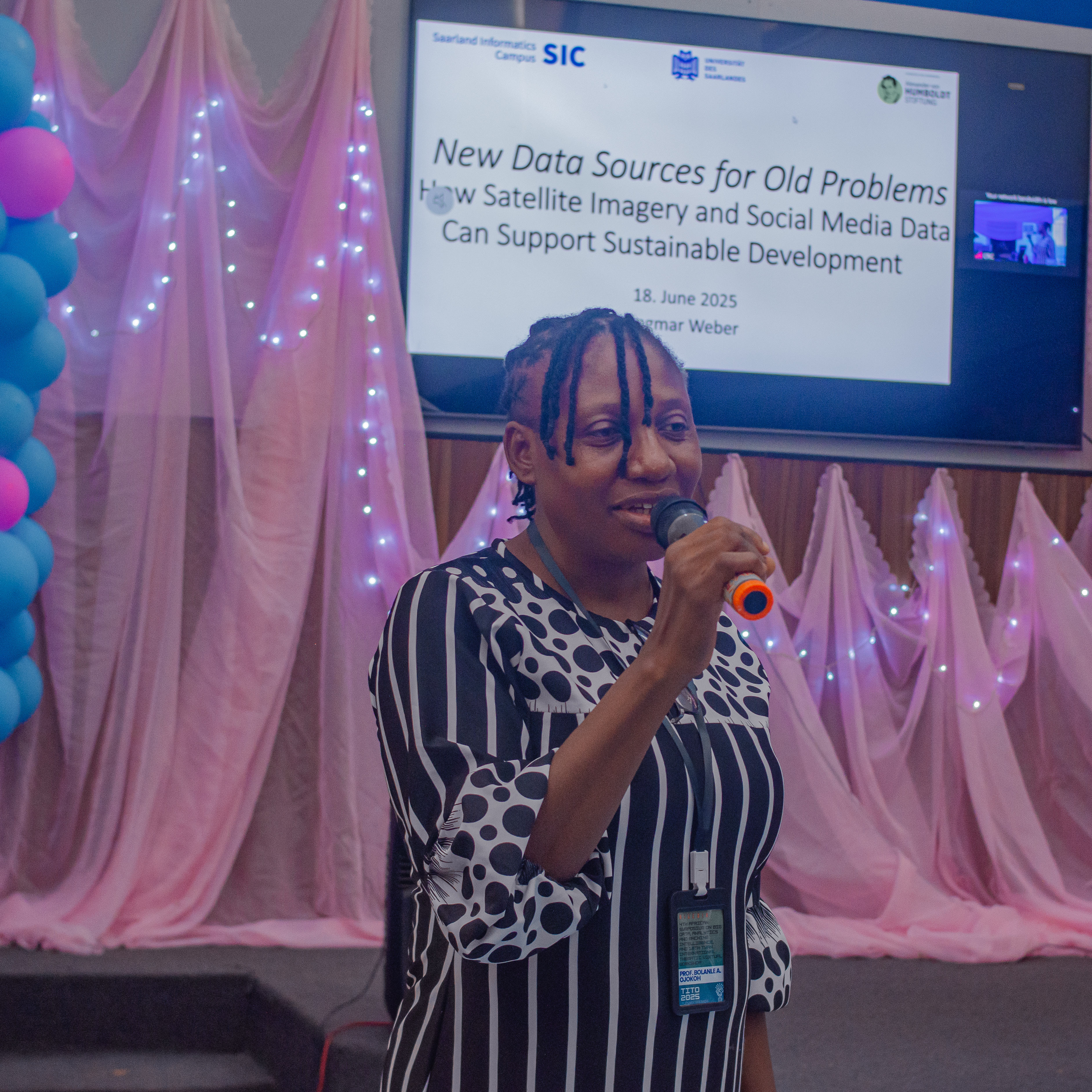
Prof. Ingmar Weber
AVH Professor for Artificial Intelligence, Saarland University, Germany (Virtual)
Title: New Data Sources for Old Problems: How Satellite Imagery Data Can Support Sustainable Development
Date: June 18, 2025
Prof. Weber opened with a thought-provoking question: How do we know the state of the world? He highlighted the power of satellite imagery as a vital data source for sustainable development. Examples included monitoring melting glaciers, night-time lights in North Korea, conflict zones, wealth distribution, and climate impact.
He explained how satellite data, combined with tools like Google Earth, allows for tracking population movements, economic activity, and even epidemic outbreaks by analyzing hospital activity. Prof. Weber also discussed challenges like data availability variations and the importance of validating satellite data with real-world statistics.
He stressed the ethical considerations around satellite data use, cautioning against potential misuse for discriminatory purposes.
His key message: “Compute, Collaborate, Change” — calling for interdisciplinary collaboration to address complex global challenges through AI and data.
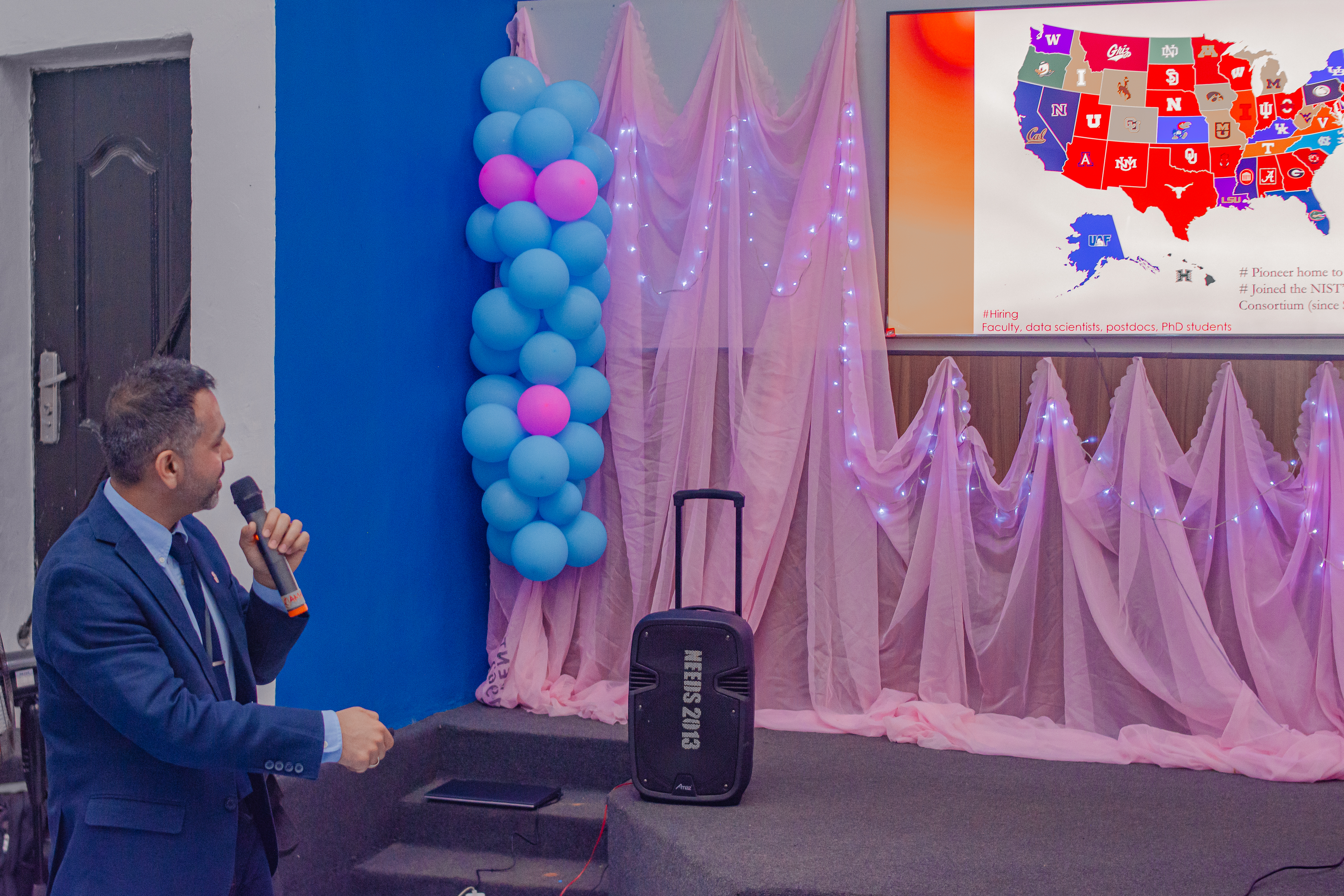
Prof. KC (Casey) Santosh
Chair, Department of Computer Science, University of South Dakota, USA (Onsite)
Title: Green Computing is All What We Need – Sustainable AI Solutions
Date: June 18, 2025
Prof. Santosh emphasized AI for All and the importance of education that empowers youth to be future innovators. He highlighted sustainable AI’s role in energy, healthcare, agriculture, economy, and education.


He discussed evolving AI paradigms like embodied AI, active learning, and reinforcement learning, and presented his research on multimodal learning, liquid neural networks, and zero-anomaly training for healthcare anomaly detection.
Prof. Santosh also stressed the need for explainable AI and using negative data to better define learning boundaries.
His presentation underscored the critical importance of green computing—developing AI solutions that are both innovative and ecologically responsible.

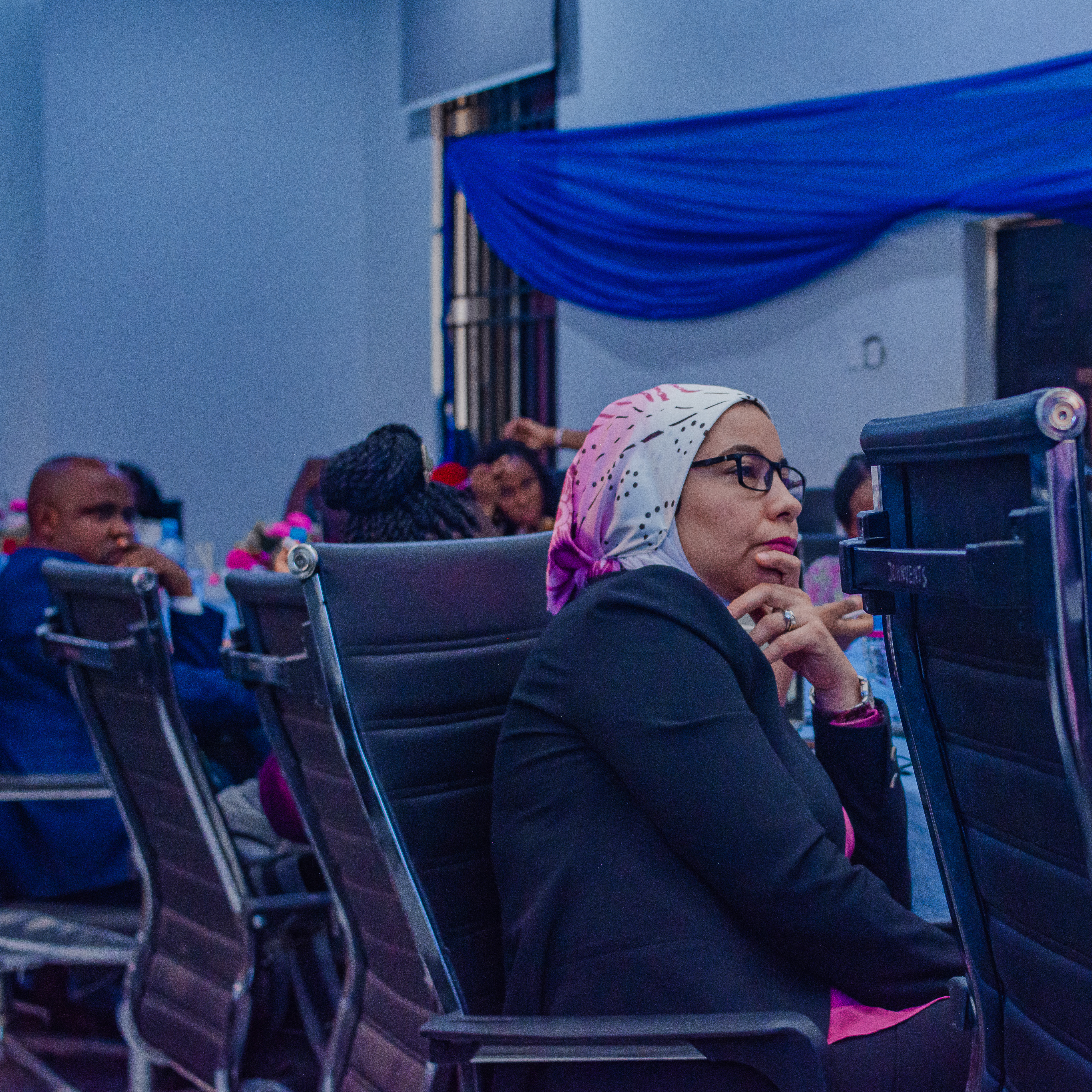

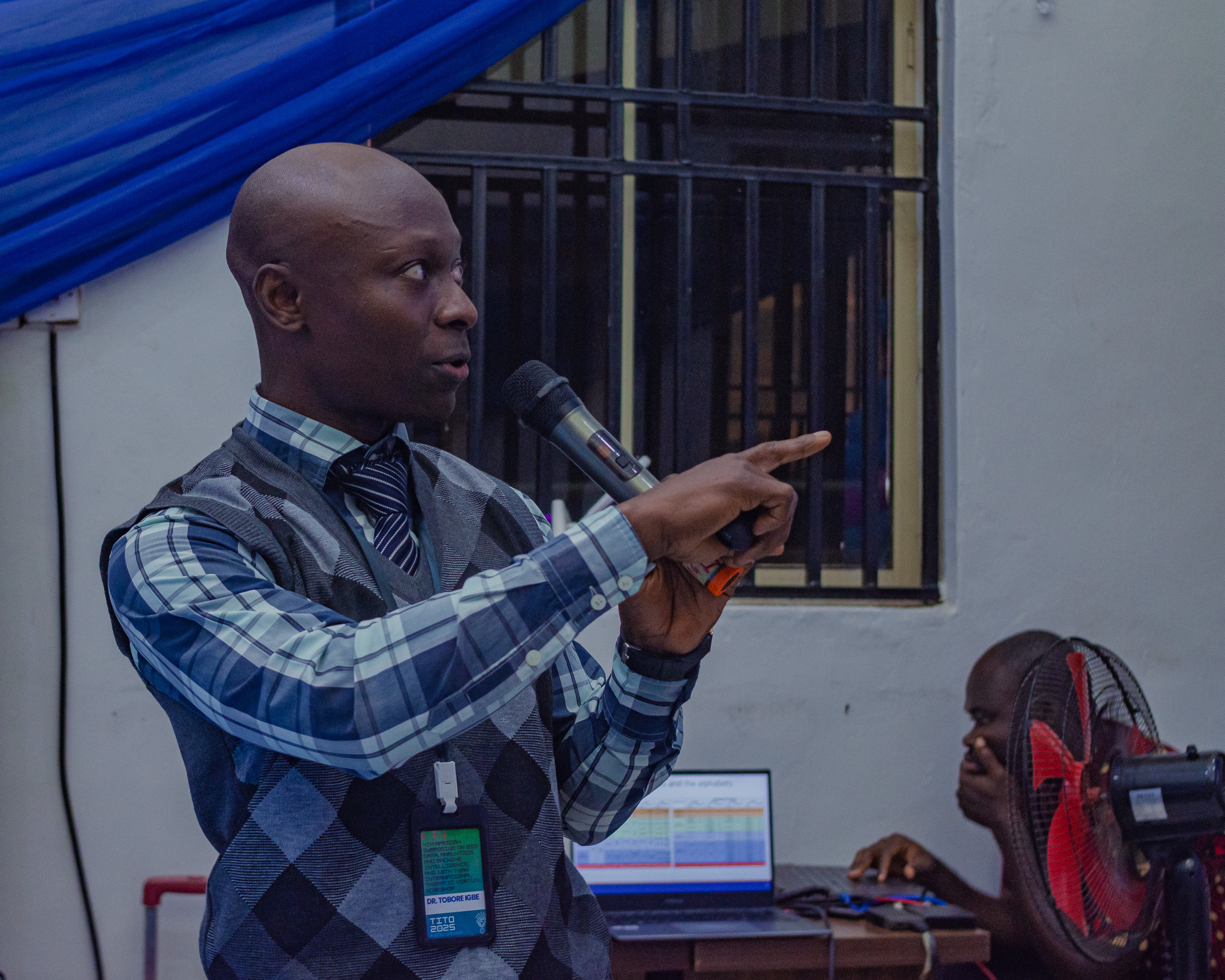
PLENARY SESSION
Theme: Data-Driven AI for Sustainable Healthcare and Gender Issues
Date: Wednesday, 18th June 2025
Moderators: Prof. Peter Idowu and Dr. Iyanu Adegun
Time: 12:50 – 14:05
Presentation 1: Navigating Gender Bias in EdTech Using the J.A.W.S. Protocol
Presenter: Dr. Asegul “Ace” Hulus (Virtual)
Key Points:
- Addressed systemic gender bias in education technology.
- Introduced the J.A.W.S. Protocol (Justice, Advocacy, Watchfulness, Structural Change).
- Based on UNESCO’s framework for equity in AI.
- Urged institutions to:
- Audit for gender equity
- Empower women in EdTech
- Reform digital/physical learning spaces
- Encouraged participation in JAWS events, ACM-W chapters, and inclusive innovation networks.

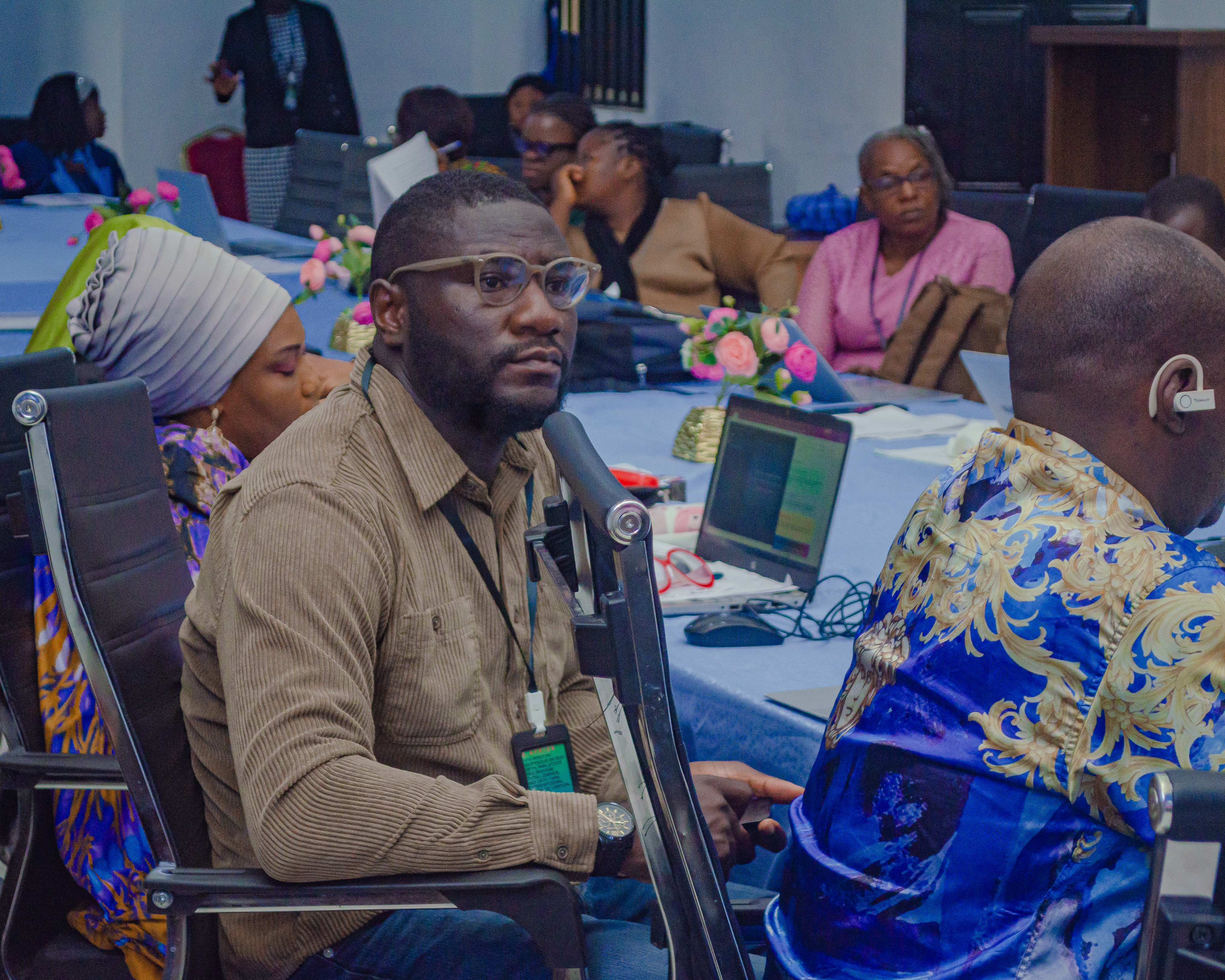
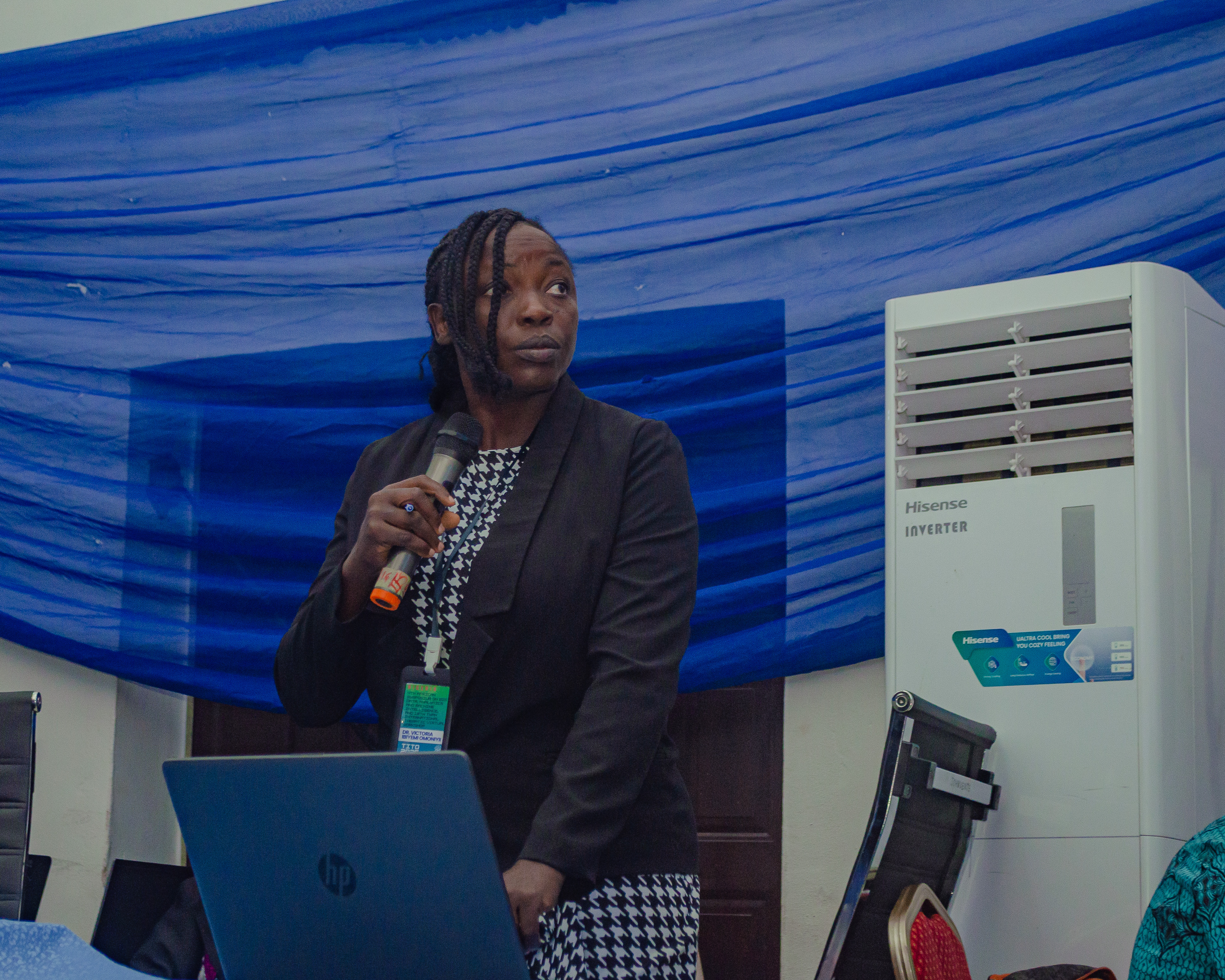
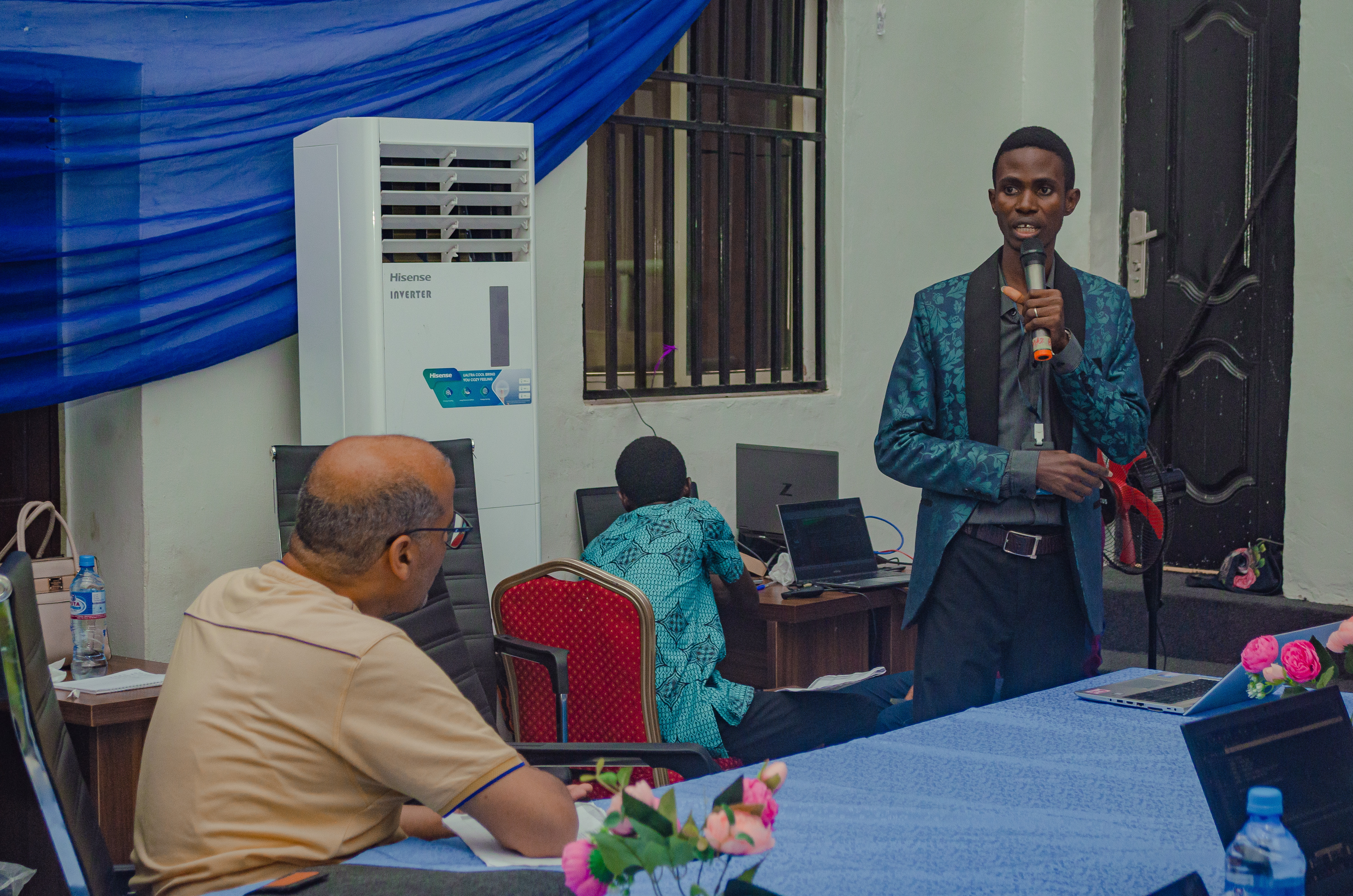
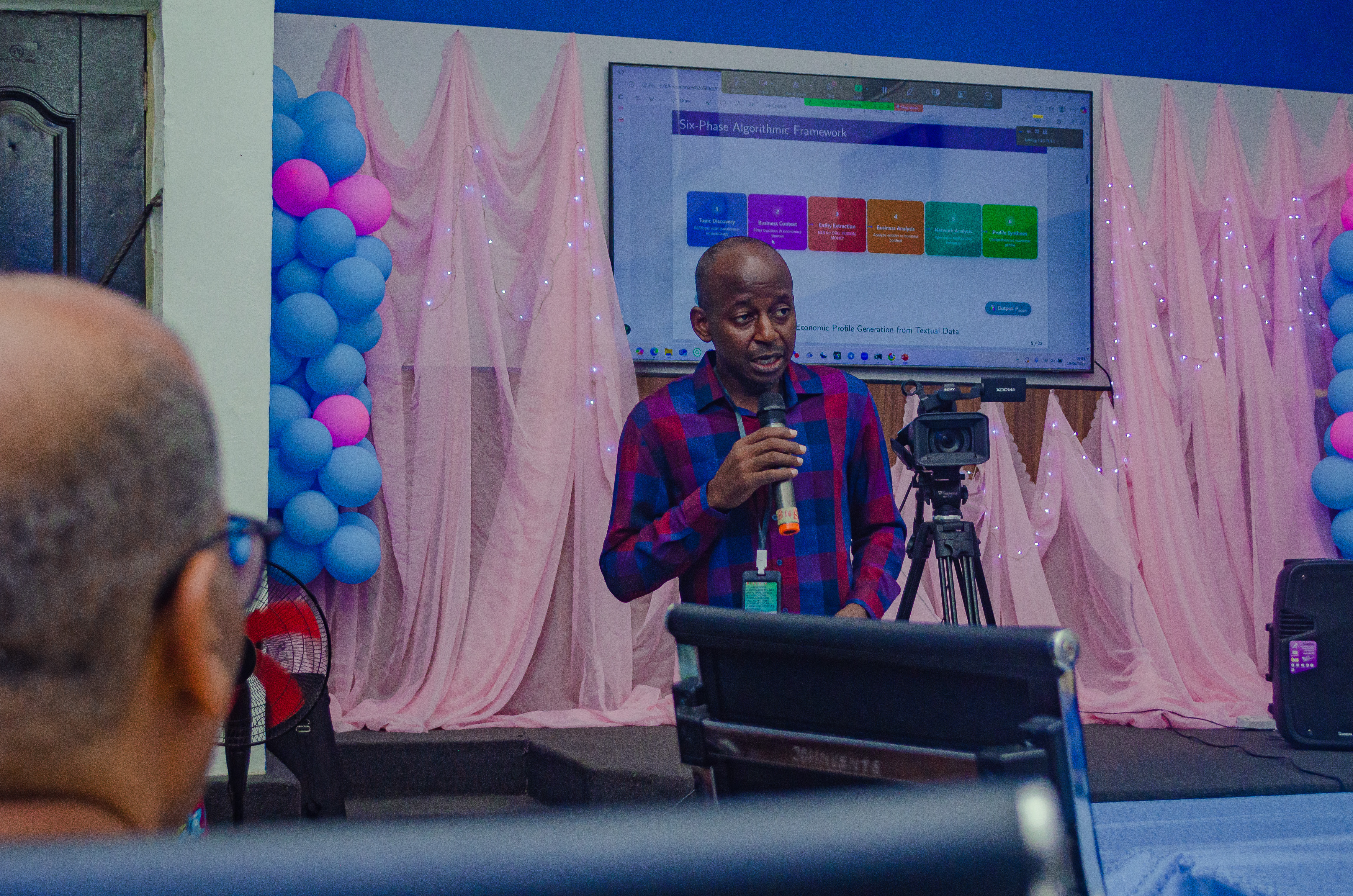
Presentation 2: AI-Driven Next-Generation Disease Risk Prediction and Risk Stratification
Presenter: Prof. Emile Chimusa
Key Points:
- Emphasized the genomic under-representation of African populations in global health data.
- Critiqued existing PRS models for excluding environmental and ancestry-specific modifiers.
- Developed an AI pipeline using PostgreSQL, Django, and AWS SageMaker to integrate:
- Genomic data
- Lifestyle & environmental factors
- Electronic Health Records (EHRs)
- Advocated for decolonized genomic research and AI-driven equity in healthcare.
Presentation 3: Data-Driven Insights for Epidemic Preparedness: A Nigerian Case Study
Presenter: Prof. Bolanle Ojokoh
Key Points:
- Highlighted recurring infectious diseases in Nigeria: Ebola, Lassa Fever, COVID-19.
- Discussed real-time surveillance systems using mobile apps, wearables, and geospatial tools.
- Shared findings from her Contact Tracing Research Group.
- Stressed challenges in:
- Policy adoption of research findings
- Funding for local innovations
- Reaffirmed adaptability of contact tracing tools to other diseases.

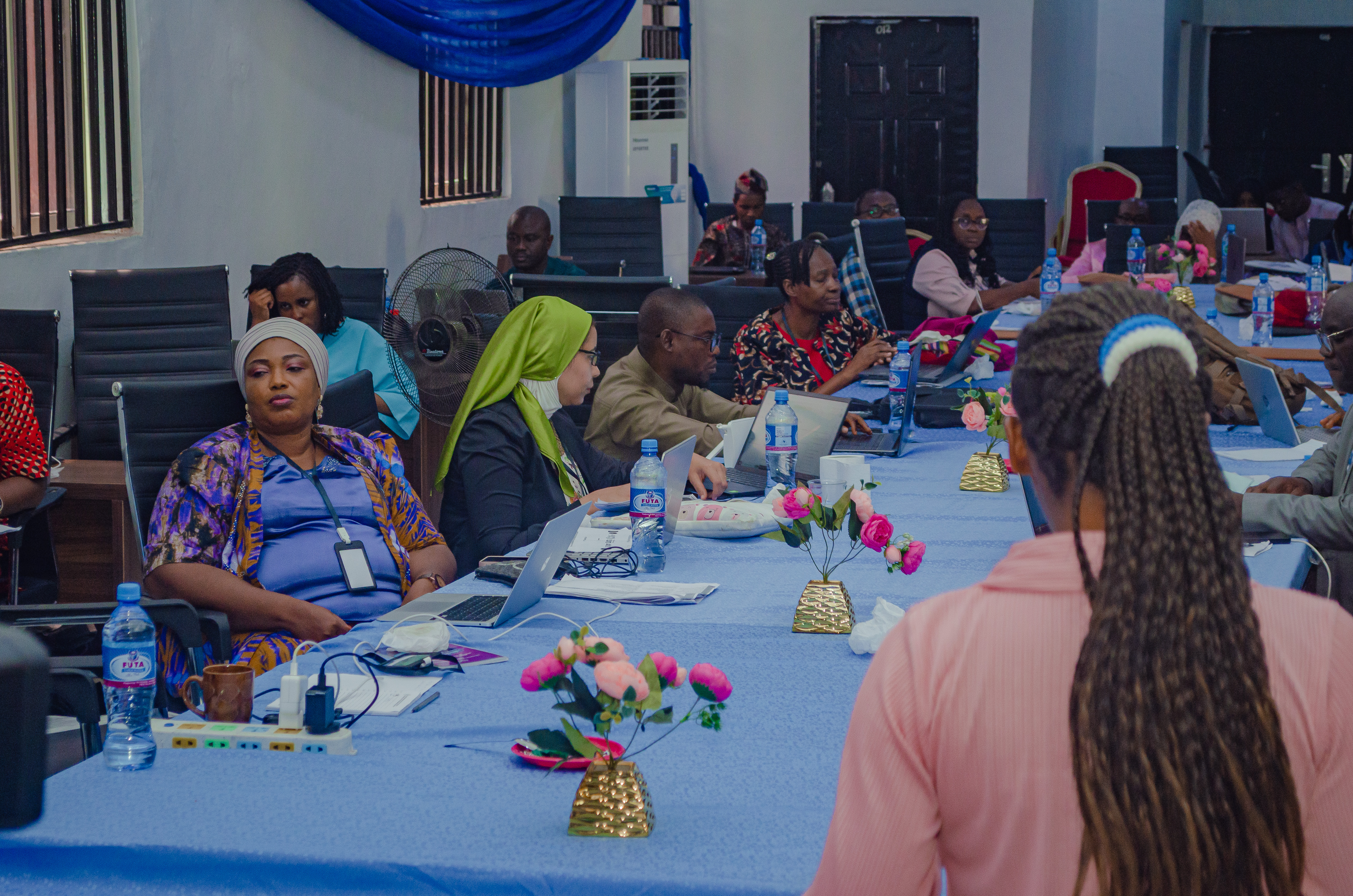


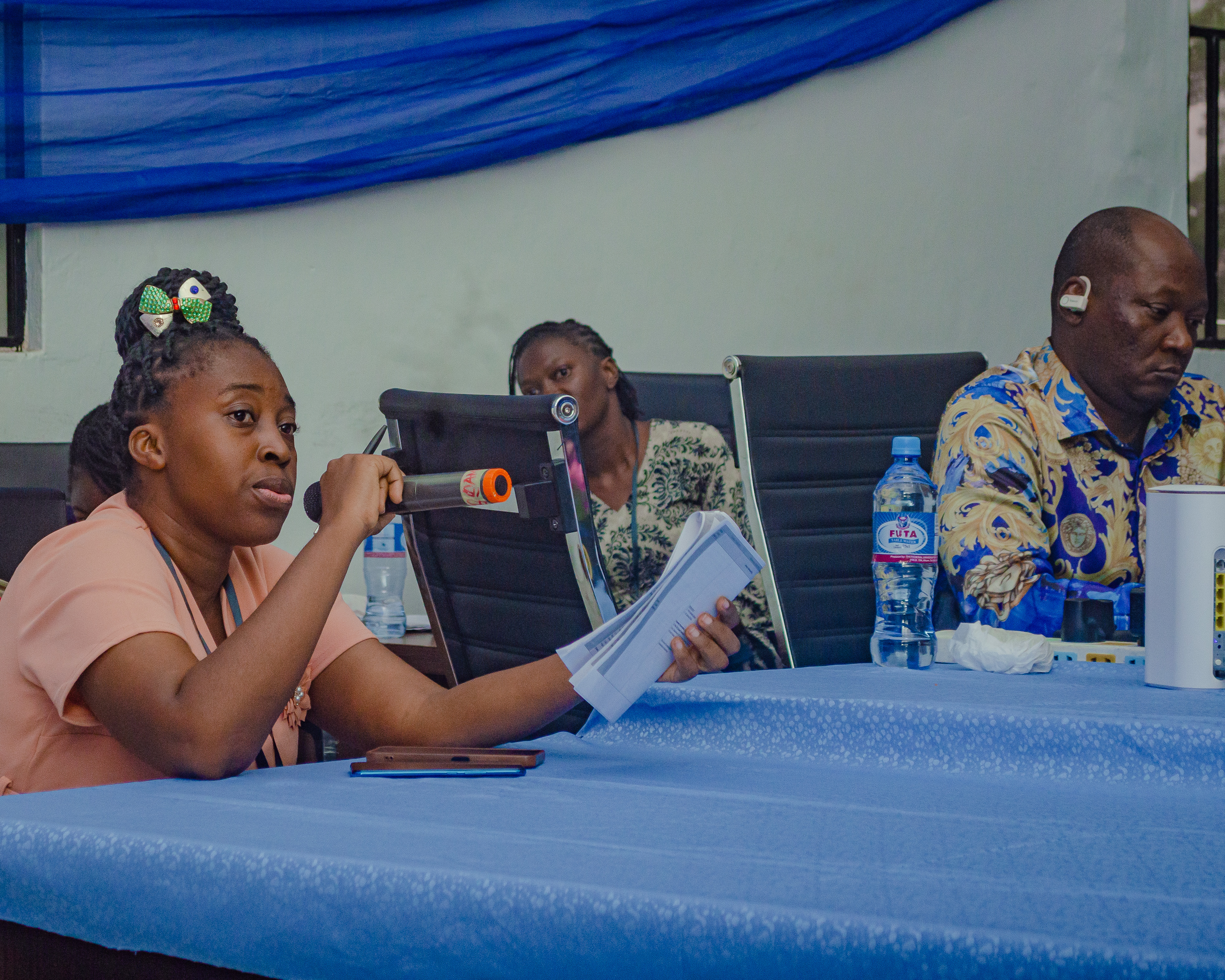
TYAN WORKSHOP PANEL DISCUSSION
Theme: From Data to Action: Advancing Sustainability through International AI Collaborations
Date: 18th June 2025
Time: 13:50 – 14:50
Moderators: Dr. Oluwarotimi Samuel (University of Derby, UK), Mrs. Tolulope Ugwu
Panelists
- Prof. KC Santosh
- Prof. Emile Chimusa
- Dr. Hasan Aljabhouli
- Dr. Oluwarotimi Samuel
- Prof. Hassane Bouzahir
- Prof. Bolanle Ojokoh
Key Insights and Recommendations
- Community-Centric AI Collaborations
- Design AI initiatives tailored to local African needs.
- Prioritize societal impact and trust-building.
- Advanced AI Capacity Building
- Train African researchers in modern AI tools and methods.
- Promote co-creation of solutions.
- Supportive Policies and Ethics
- Encourage governments to back AI for development with policy frameworks.
- Strategic Sectoral Integration
- Promote AI in health, agriculture, climate, and urban development.
- Institutional Synergy and AI Curricula
- Embed AI into university curricula.
- Establish strong academic-industry linkages.
- Open and Equitable Data Access
- Facilitate sharing of local, high-quality data across Africa.
- Robust Data Governance
- Establish standards for data privacy, fairness, and transparency.
- Inclusive and Gender-Equitable AI
- Empower women and marginalized communities in AI development.
- Cross-Disciplinary Collaboration
- Break silos between computer science and other disciplines like health and agriculture.
- AI Infrastructure and Innovation Hubs
- Build physical and digital AI innovation centers across Africa.
EXHIBITION SEGMENT
June 20, 2025
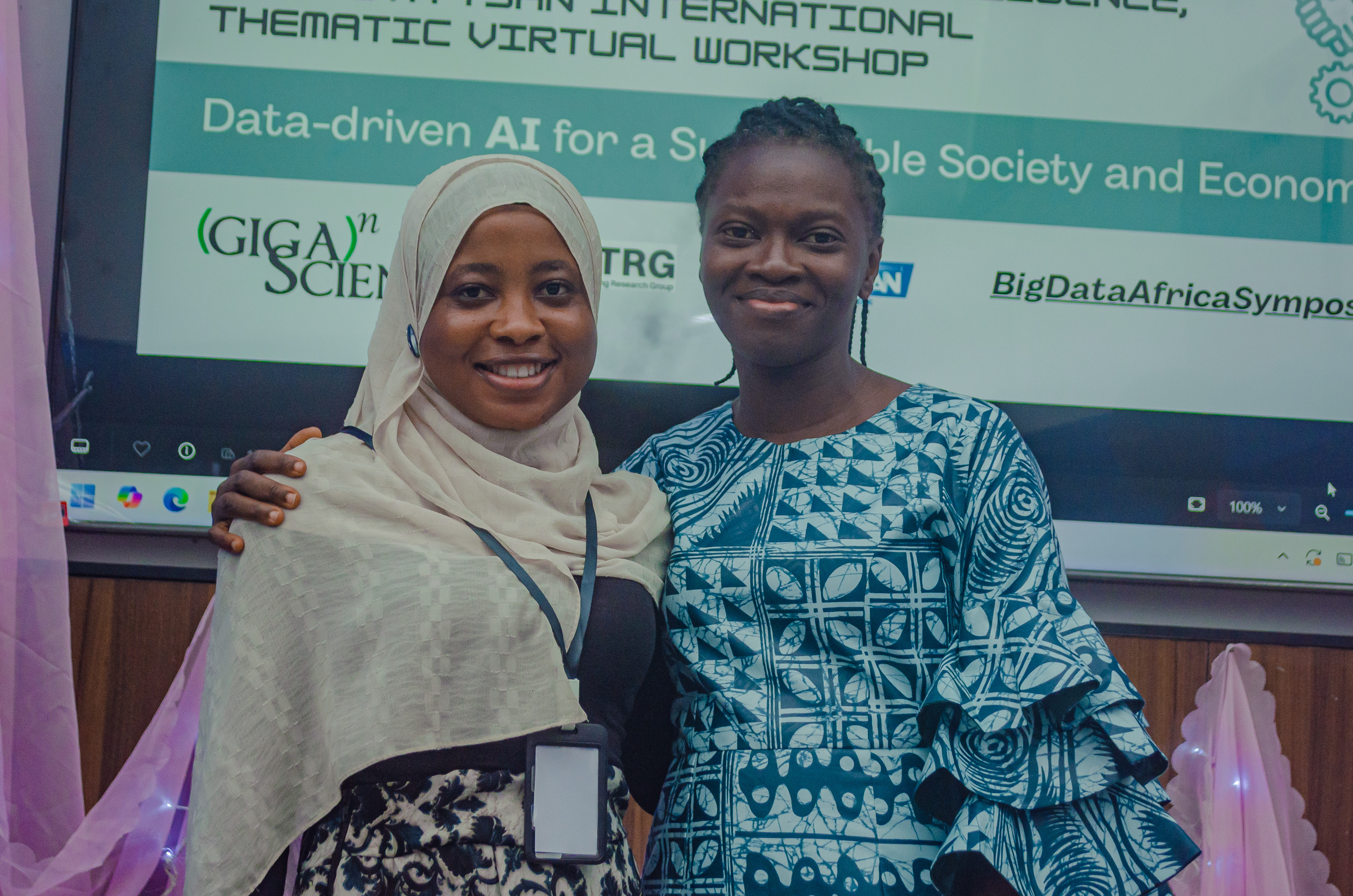
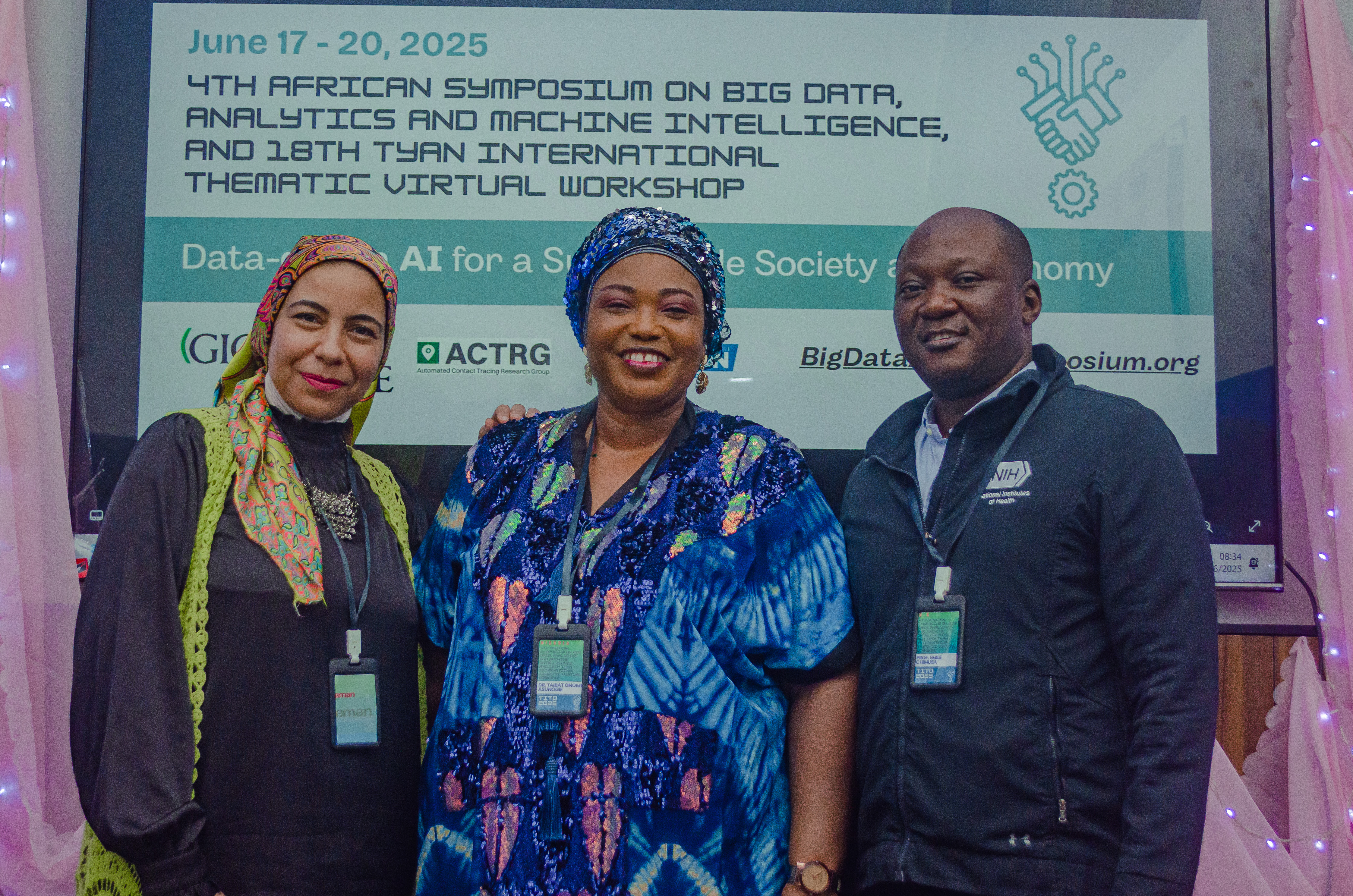
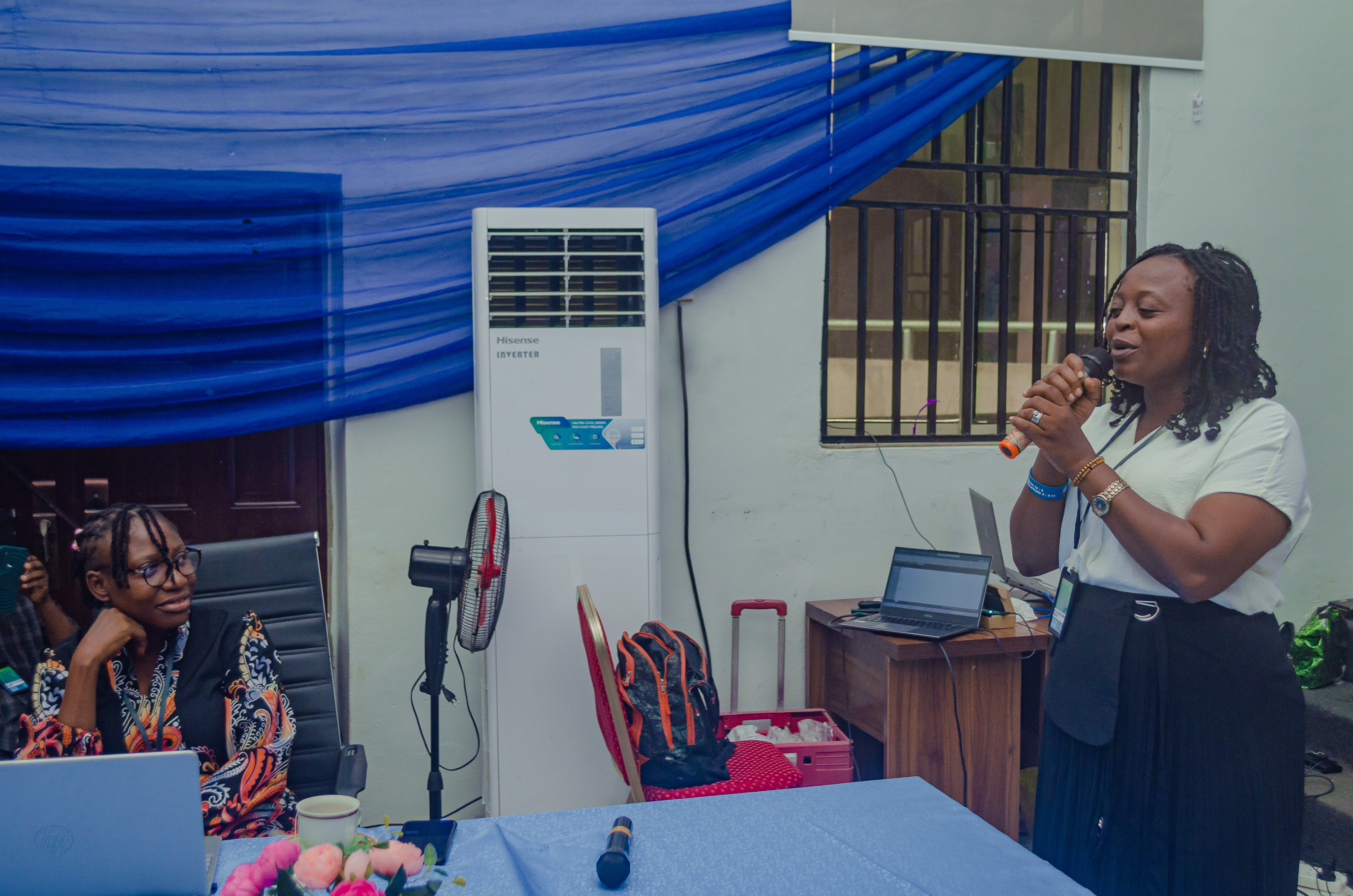
OVERVIEW
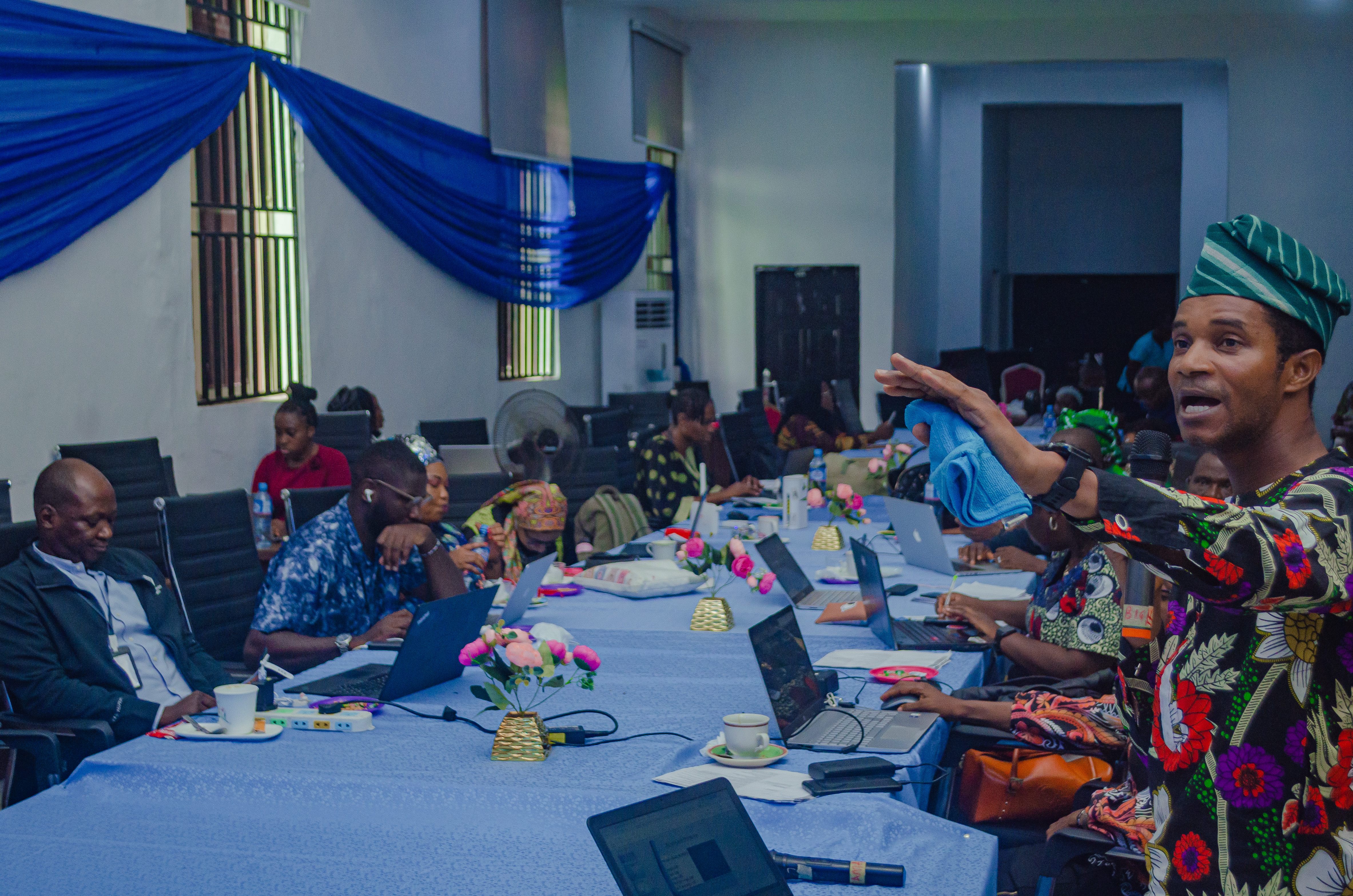
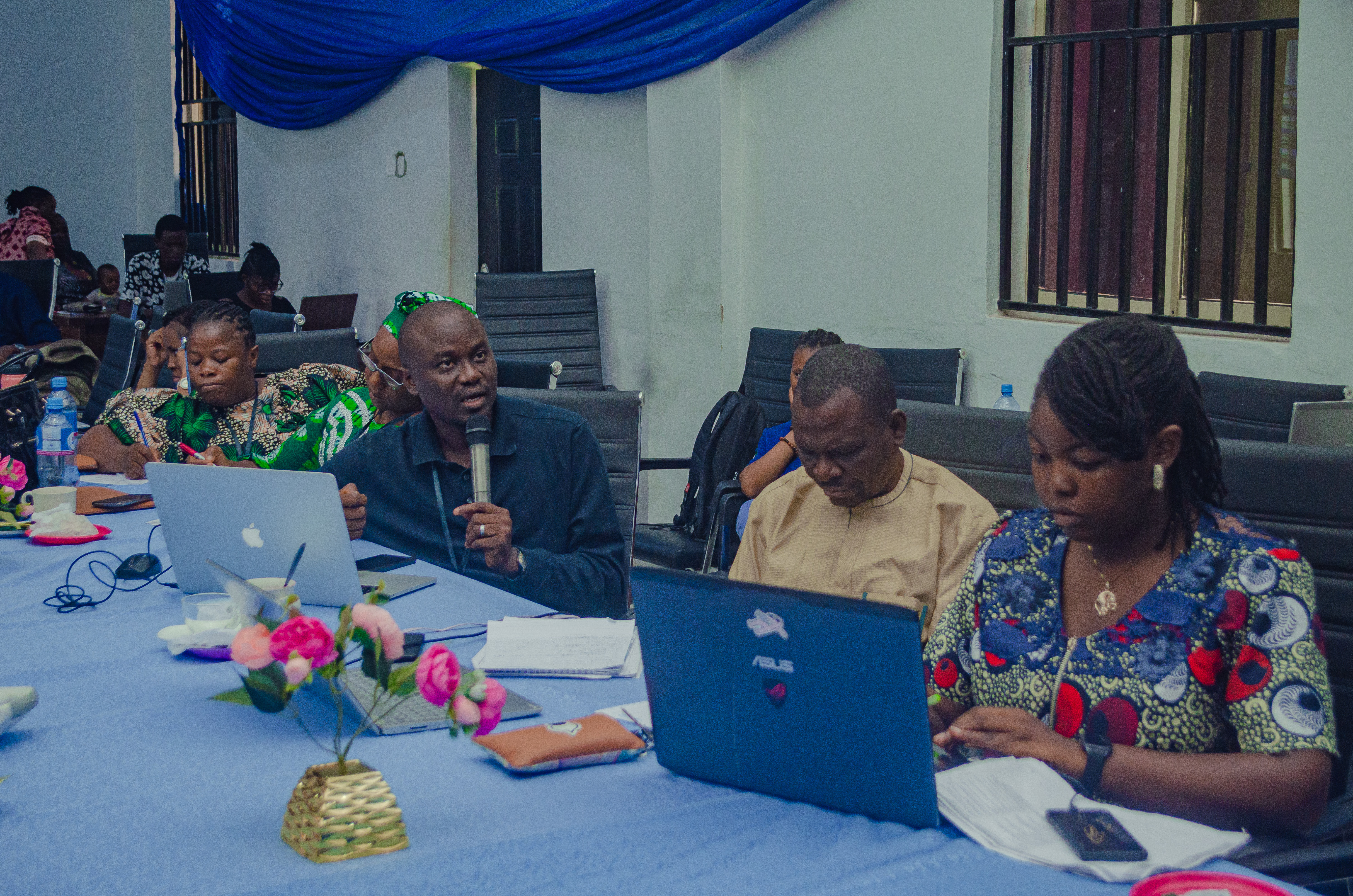
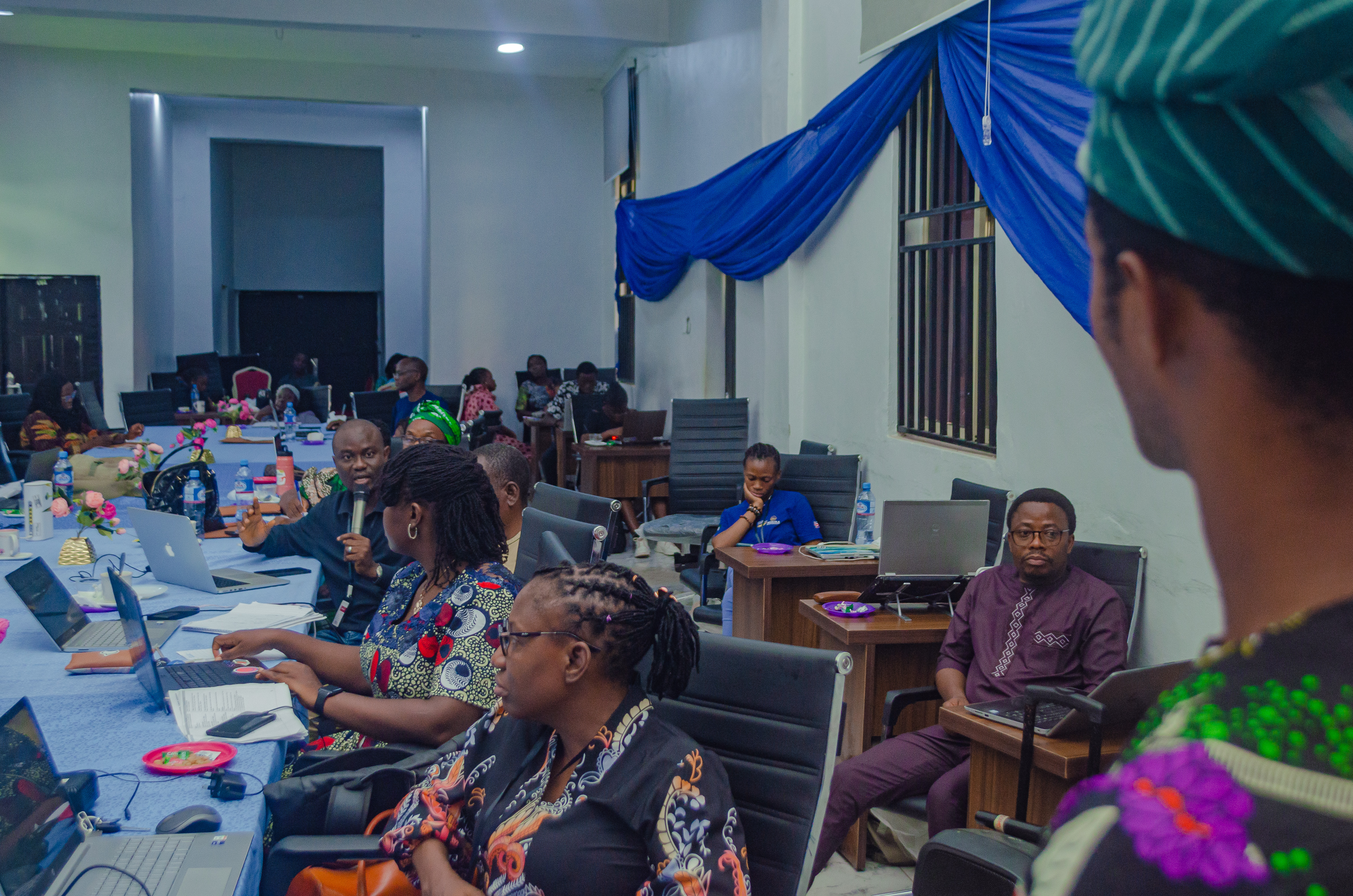
The exhibition segment of the TITO 2025 Symposium was a resounding success, bringing together innovators, researchers, and developers from across Nigeria to showcase cutting-edge applications of Artificial Intelligence (AI) and Big Data in sustainability-focused domains. The event provided a dynamic platform for the demonstration of original, impactful projects by students.
OUTCOMES
- The exhibition segment sparked meaningful conversation around grassroots innovation in AI for development.
- It inspired further collaborations among institutions and participants.
- Many attendees expressed a desire to see some of the projects developed into full-scale startups or adopted by public health and education sectors.
Conclusion
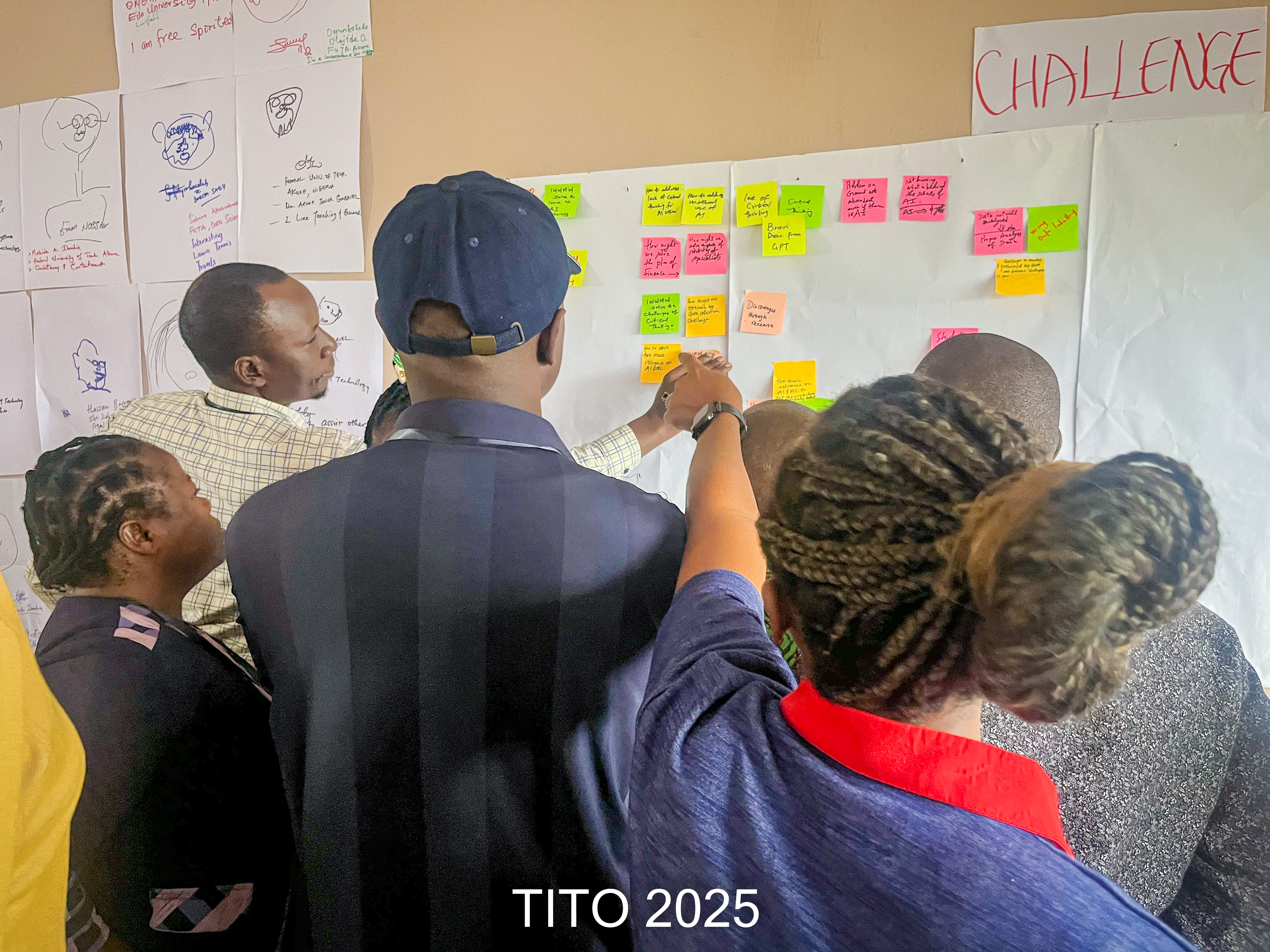
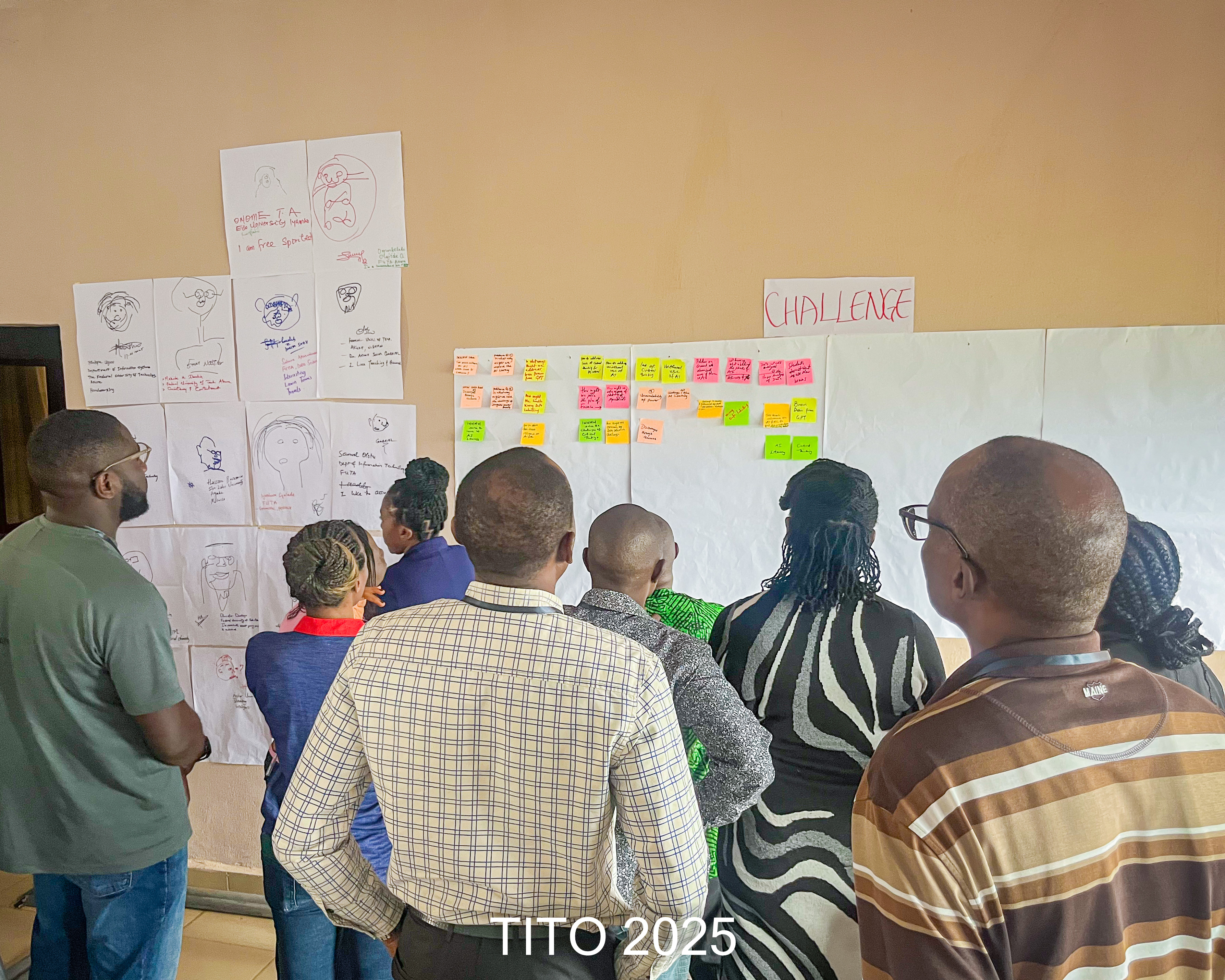
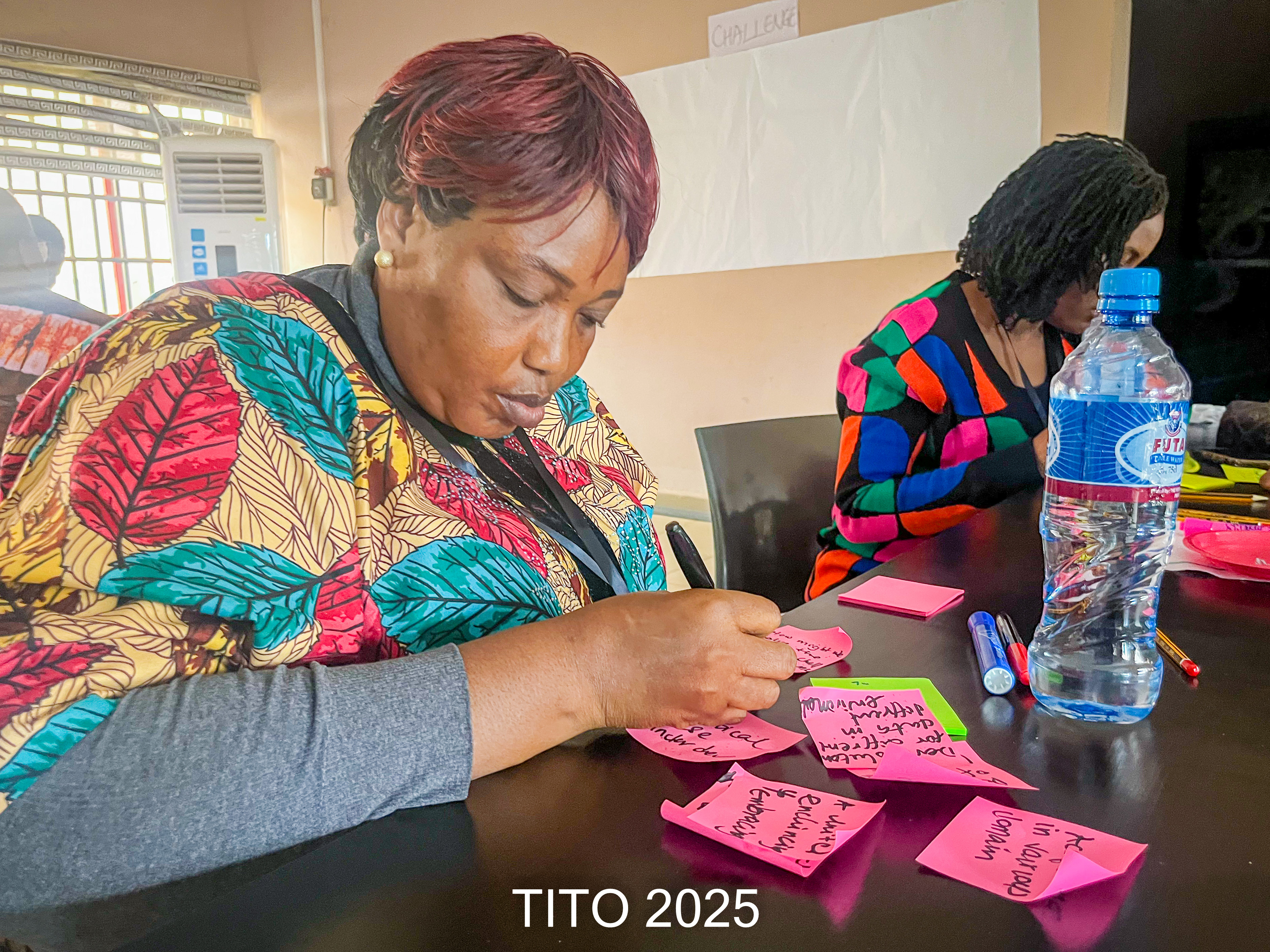
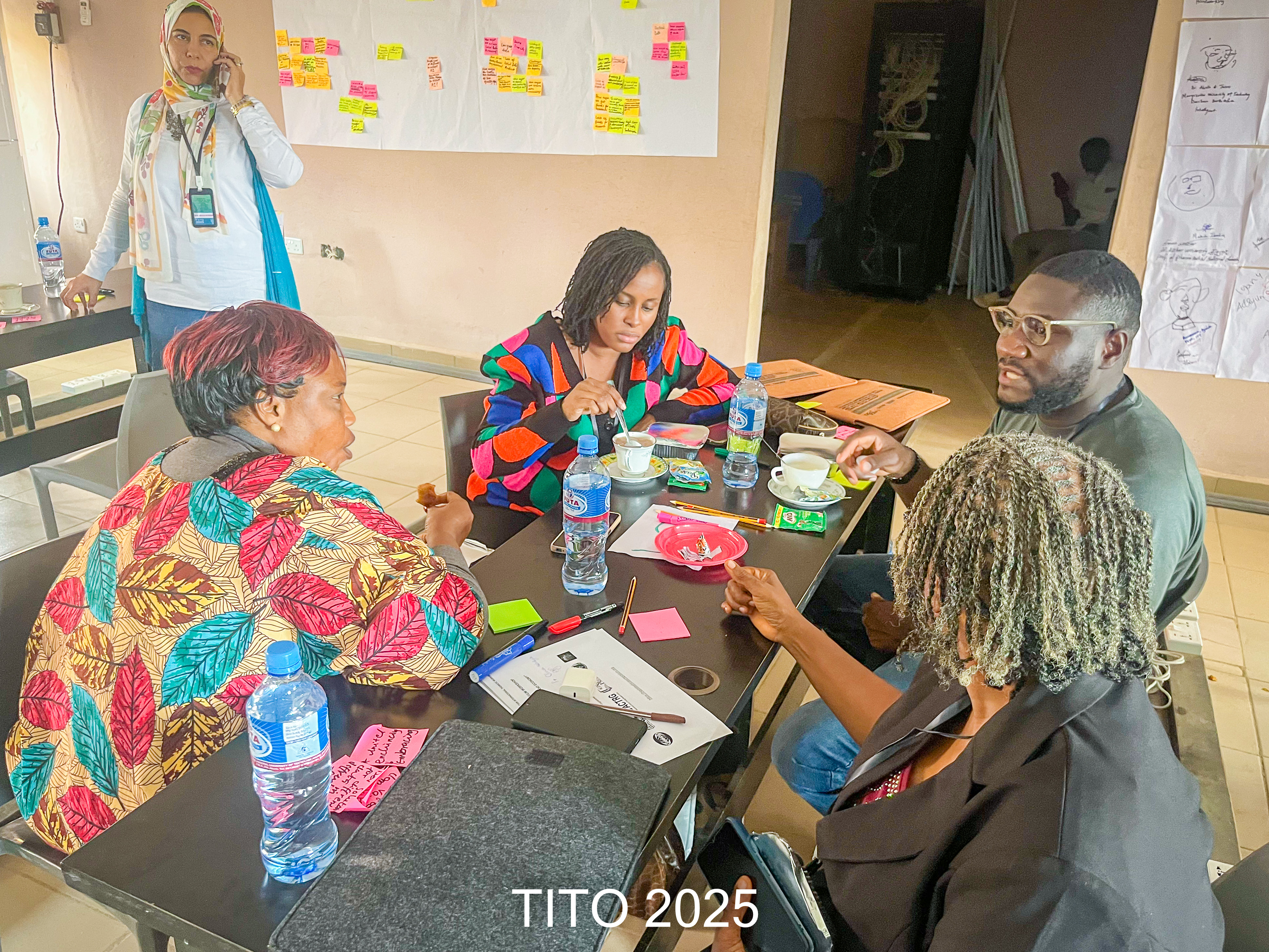
There was a moment of reflection before the workshop ended during which each participants expressed their experience in one word. The workshop was an eye opener for participants and an introduction to collaborative leadership using unique tools. The participants were deeply engaged and introduced to some of the tools used in collective leadership. Many were willing to learn more and continue to engage as potential science leaders with the commitment to engage with their team and other researchers and apply the acquired skills to promote the sustainable use of Artificial Intelligent within and beyond their institutions. It was hoped that the connections established would end up making the symposium even more interesting and interactive for participants.
Report on the 3rd African Symposium on Big Data, Analytics and Machine Intelligence 2024
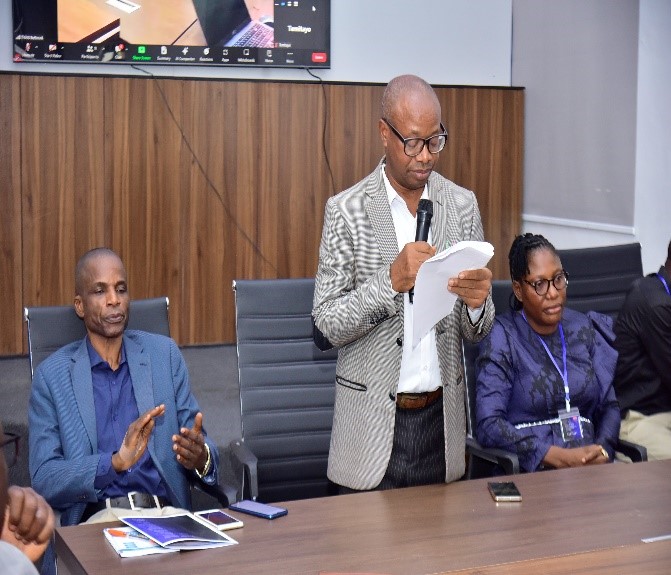
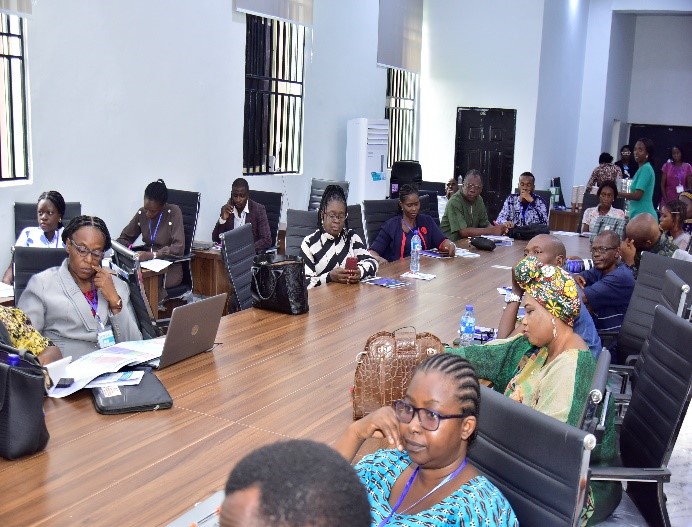
The 4th African Symposium on Big Data, Analytics, and Machine Intelligence and the 16th TYAN International Thematic Virtual Workshop took place on June 24–25, 2024, at the Federal University of Technology, Akure (FUTA), Nigeria. The event was organized by the Automated Contact Tracing Research Group (ACTRG) in partnership with The World Academy of Sciences Young Affiliates Network (TYAN) and was held in a hybrid format, allowing for both virtual and physical participation.
Theme and Objectives
The symposium, themed “Open Data Science and Artificial Intelligence for Healthcare,” aimed to increase knowledge and build capacity in AI-driven healthcare research across Nigeria and Africa. The event provided a platform for discussions on big data analytics, AI applications in healthcare, epidemiological modeling, and ethical data science.
Keynote Speakers and Sessions
The symposium featured insightful keynote presentations, plenary sessions, and invited talks from leading experts, including:
- Prof. Olawande Daramola – University of Pretoria, South Africa
- Dr. Laurie Goodman – Director, GigaScience Press, China
- Dr. Hasan Aljabbouli – New York University, USA
- Dr. Uche Chukwuocha – Federal University of Technology, Owerri
- Prof. Bolanle Ojokoh – Federal University of Technology, Akure
Speakers addressed a range of topics, including AI for pandemic response, bioinformatics, telemedicine, healthcare analytics, and the role of IoT in healthcare delivery.
Participation and Engagement
The symposium attracted a diverse audience of postgraduate researchers, early-career scientists, industry professionals, and academics from within and outside Nigeria. Participants engaged in hands-on sessions, panel discussions, and research presentations covering the following sub-themes:
- Data science for pandemic response and impact
- Bioinformatics and genome sequencing
- Remote healthcare and telemedicine
- Epidemiological analytics
- AI and healthcare analytics
- Ethical data science
- Internet-of-things for healthcare
Impact and Outcomes
The event successfully fostered knowledge exchange, interdisciplinary collaborations, and skill development. Several research ideas were explored, leading to potential future collaborations between institutions and researchers. The hybrid format enabled broad participation, ensuring inclusivity for international attendees.
Sponsors and Partners
The symposium was made possible with support from:
- The World Academy of Sciences Young Affiliates Network (TYAN)
- GigaScience Press
- INSPIRE-SHINE Technovative Laboratories
- Federal University of Technology, Akure
Report on the 2nd African Symposium on Big Data, Analytics and Machine Intelligence 2020
The 2020 African Symposium on Data Science, organized by The World Academy of Sciences Young Affiliates Network (TYAN), was held on December 3–4, 2020. The event brought together researchers, scientists, and industry professionals from across Africa and beyond to discuss how data science can be leveraged for solution-driven and sustainable responses to global challenges.
The symposium, themed “Data Science for Solution-Driven and Sustainable Response to Current Developing World Challenges,” was particularly relevant due to the COVID-19 pandemic, which emphasized the need for digital technologies, big data analytics, and artificial intelligence (AI) in public health interventions.
Key Objectives
The symposium aimed to:
- Enhance knowledge and capacity building in data science, focusing on big data, analytics, and AI.
- Explore how these technologies were applied in COVID-19 response and broader sustainable solutions.
- Foster multidisciplinary and international collaborations.
- Identify niche areas of research that could lead to cross-border scientific partnerships.
Sub-Themes
The event covered a broad range of topics, highlighting how data science can be applied across multiple domains:
- Data science for COVID-19 response
- Data science for COVID-19 impact
- Bioinformatics and genome sequencing
- Health-related applications
- Societal development
- Security management
- Environmental modeling
- Sustainable agriculture
- E-commerce, e-governance, and smart energy solutions
Participation and Engagement
The symposium attracted early-career researchers, PhD students, senior scientists, and industry professionals. Participants were required to submit abstracts related to the themes of the event. Selected individuals had the opportunity to present their research and engage in discussions that addressed contemporary challenges in data science.
Expected Outcomes and Achievements
The event successfully achieved the following objectives:
- Capacity building: Researchers and students gained insights into the latest advancements in big data, analytics, and AI.
- Identification of scientific niche areas: Discussions helped pinpoint critical research areas with potential for impactful studies.
- Collaborations and scientific interactions: New research partnerships were formed, promoting cross-border collaborations.
- Publications: High-quality presentations from the event were considered for publication in open-access journals.
- Alignment with UN Sustainable Development Goals (SDGs): The symposium contributed to multiple SDGs, including no poverty, good health and well-being, economic growth, industry and innovation, and partnerships for the goals.
Sponsors and Partners
The symposium was supported by various organizations, including:
- Association for Computing Machinery-Women Europe
- TWAS Sub-Saharan African Regional Partner (SAREP)
- TWAS Latin America and the Caribbean Regional Partner (LACREP)
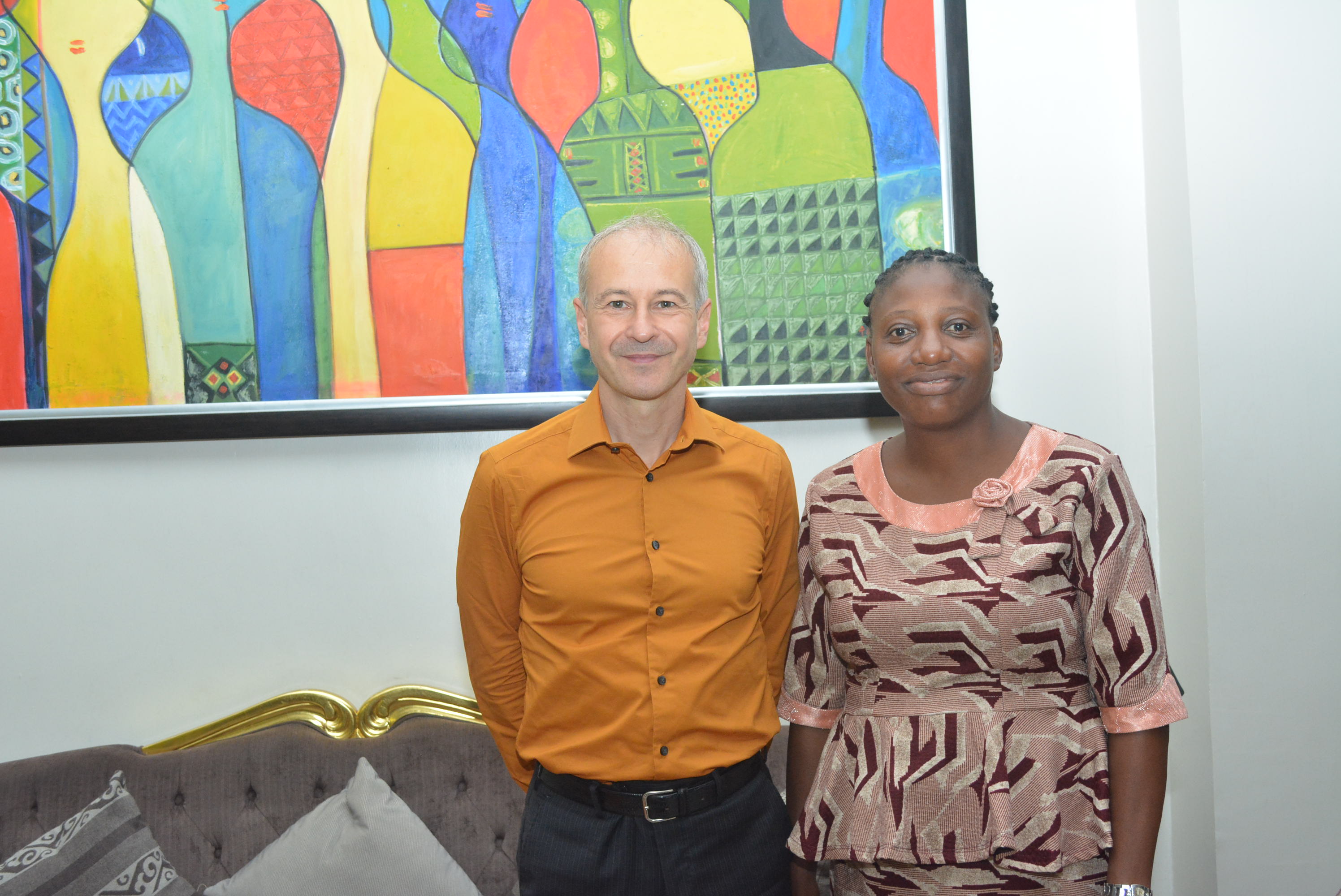
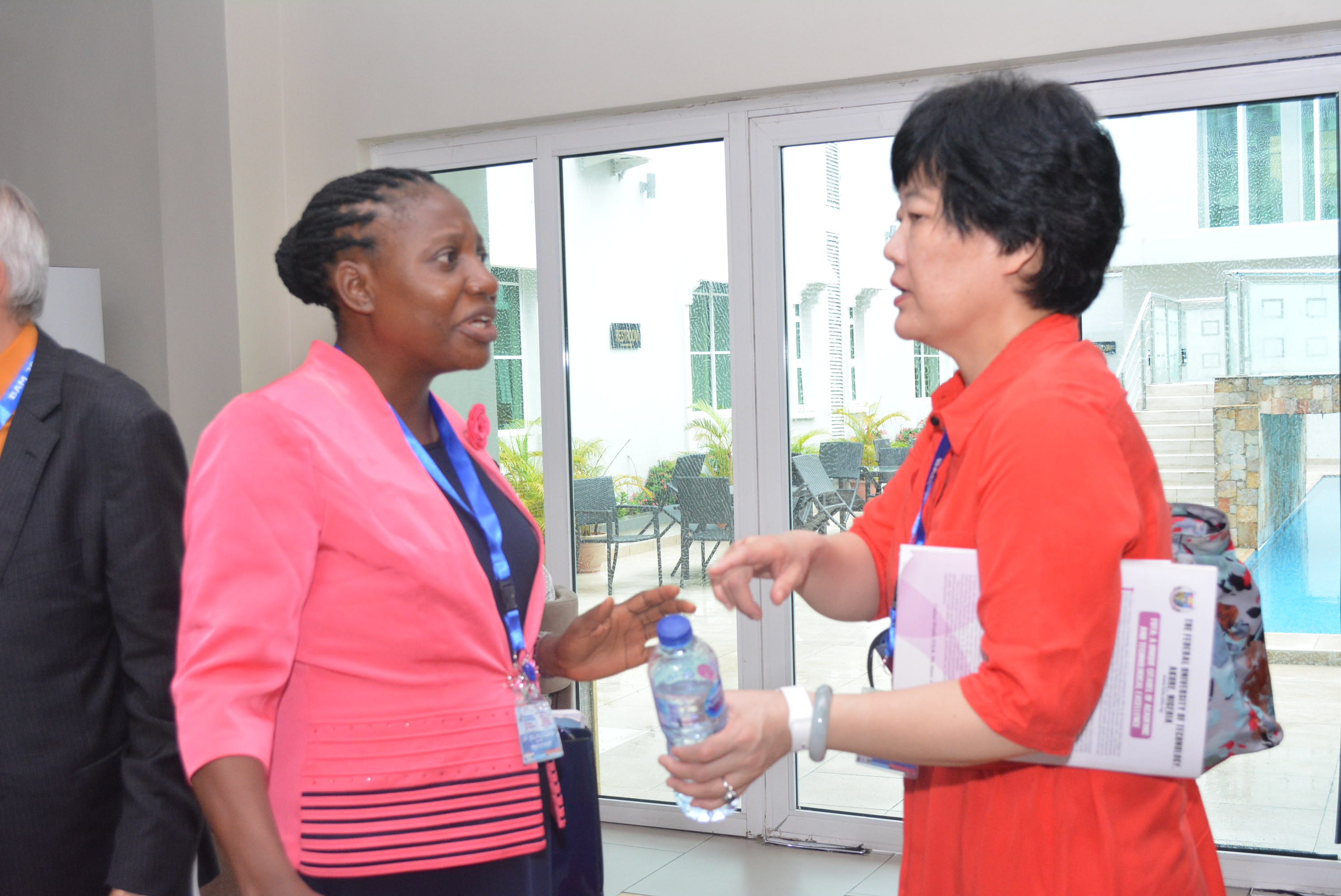
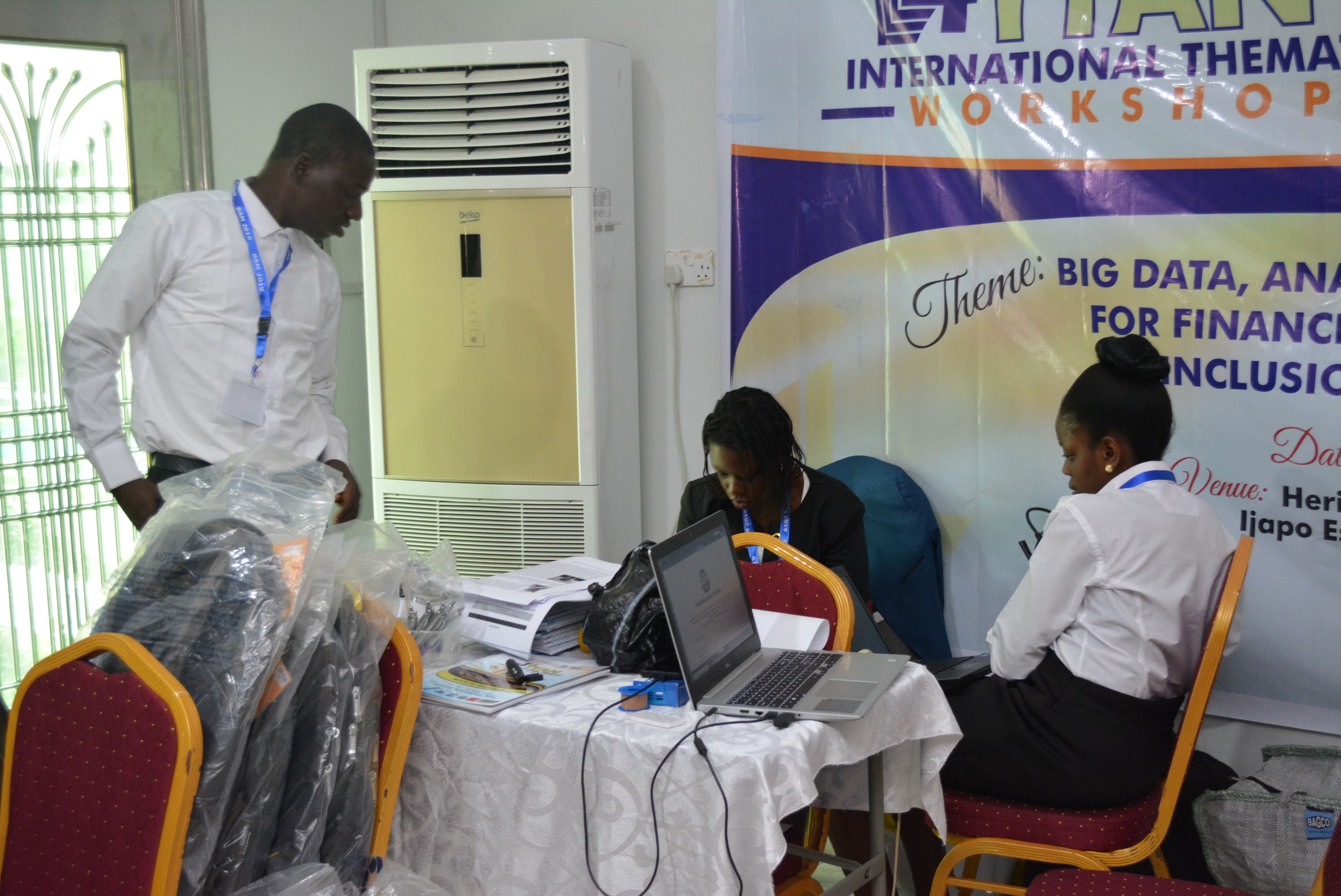
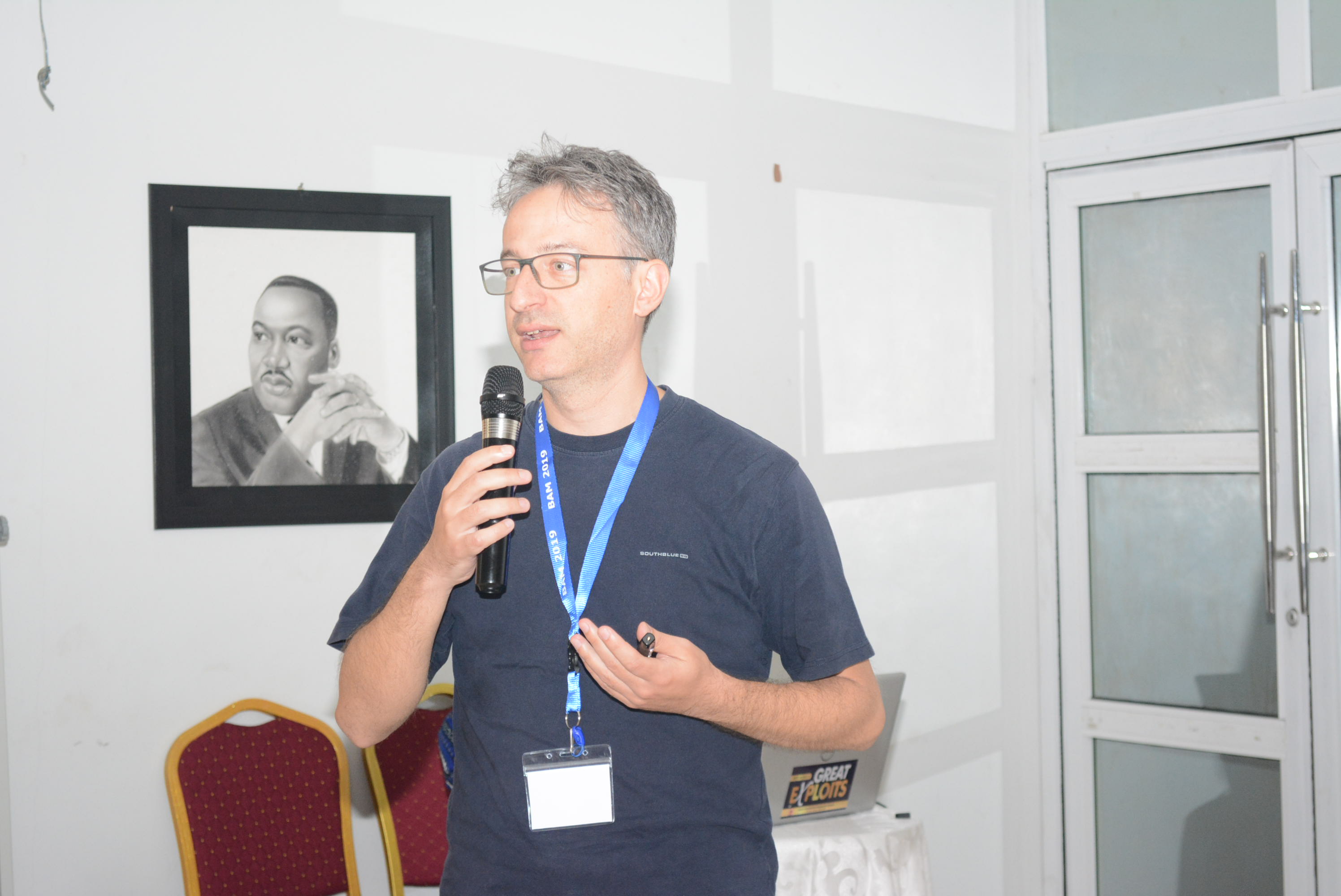
Report on the 1st African Symposium on Big Data, Analytics and Machine Intelligence 2019
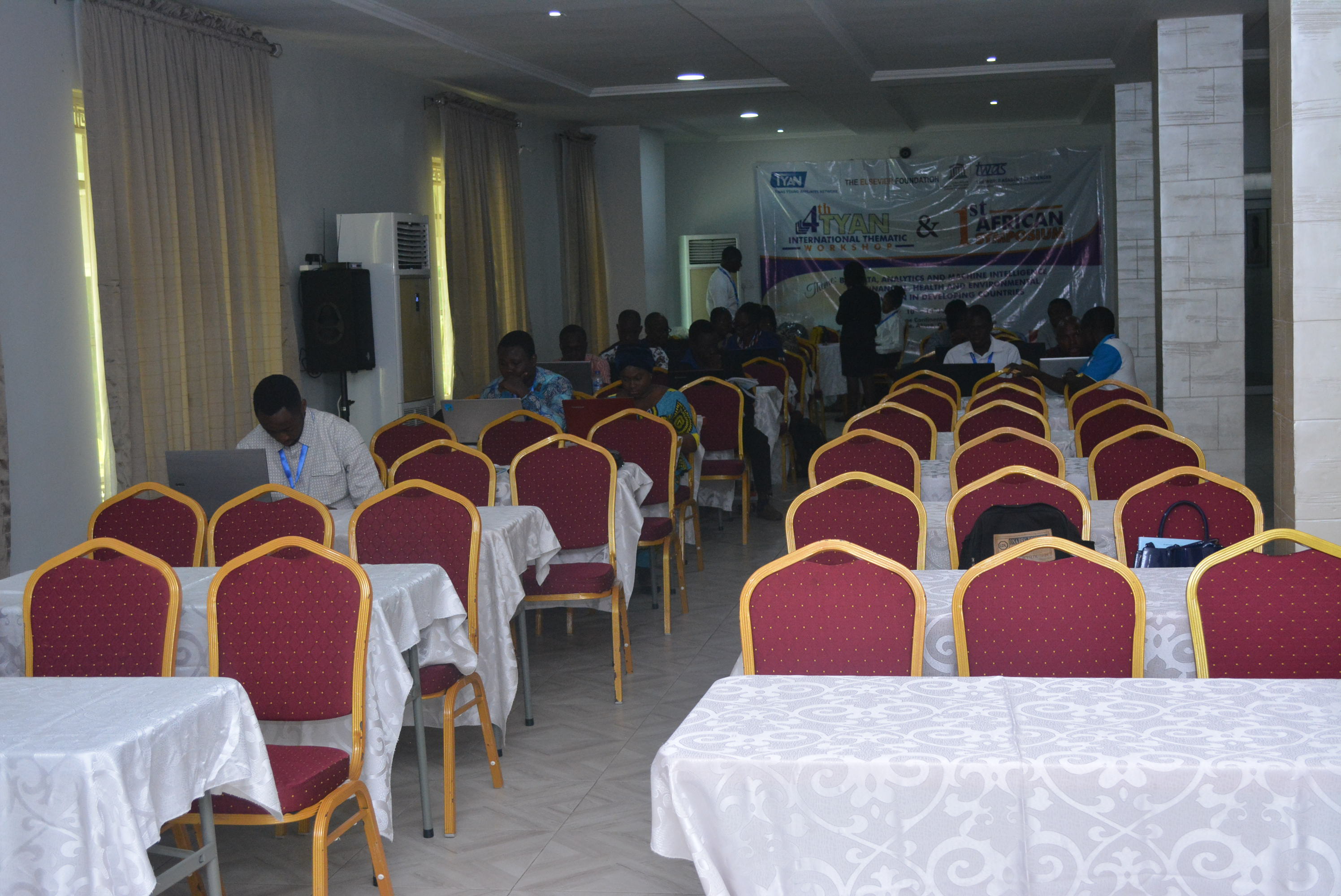
Theme: Big Data, Analytics and Machine Intelligence for Financial, Health and Environmental Inclusion in Developing Countries
Date: June 10 – 14, 2019
Venue: Federal University of Technology, Akure (FUTA), Nigeria
Overview
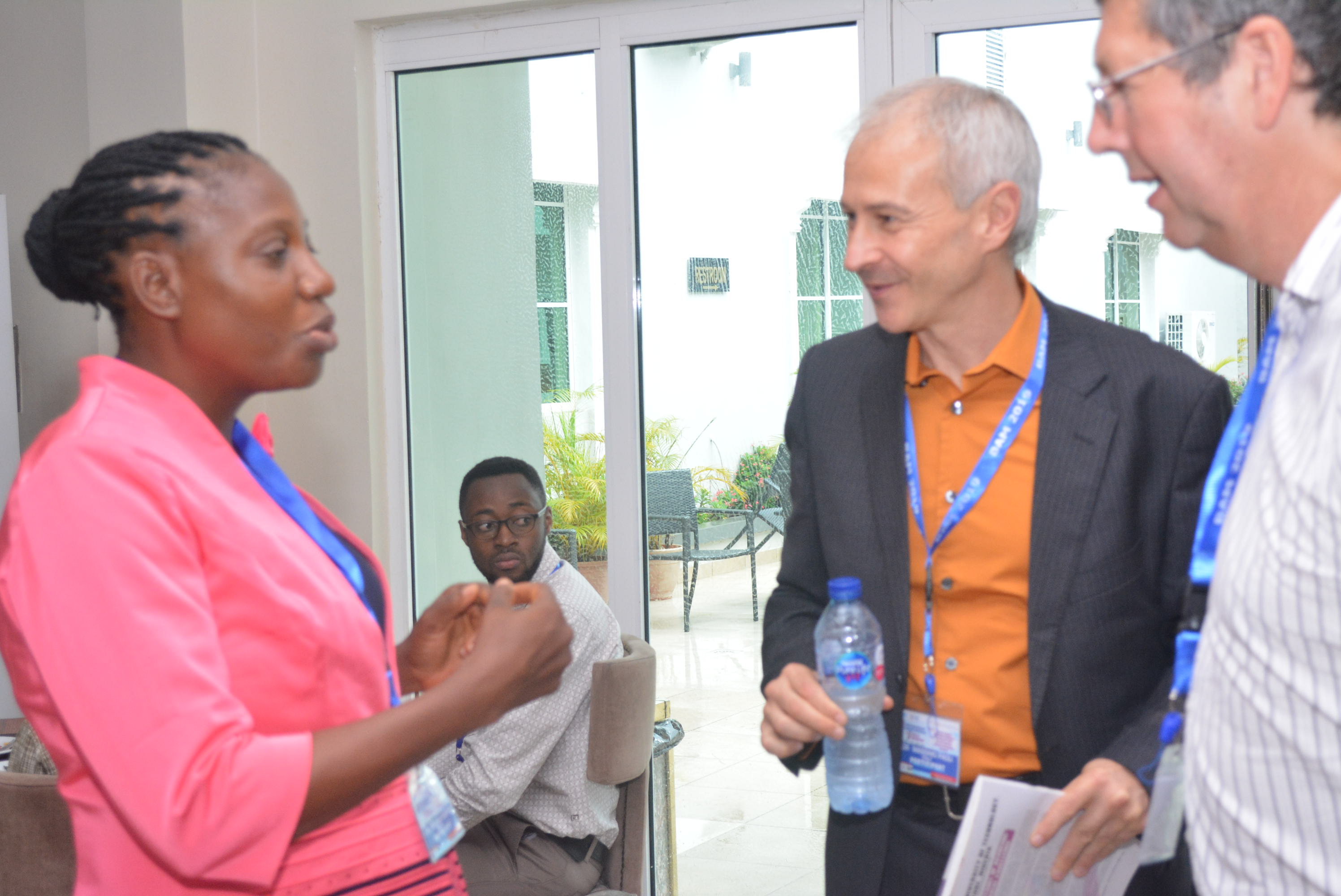
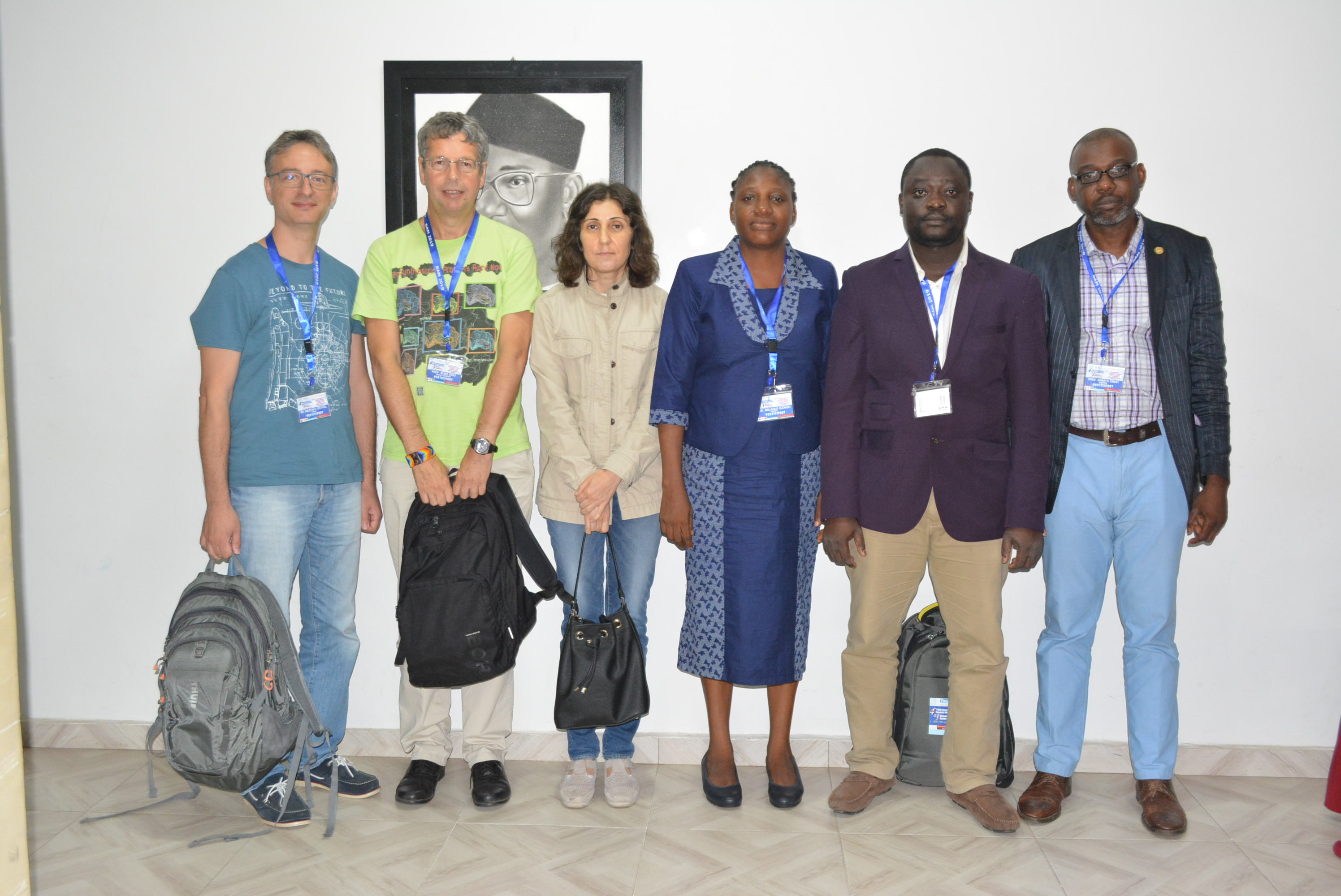
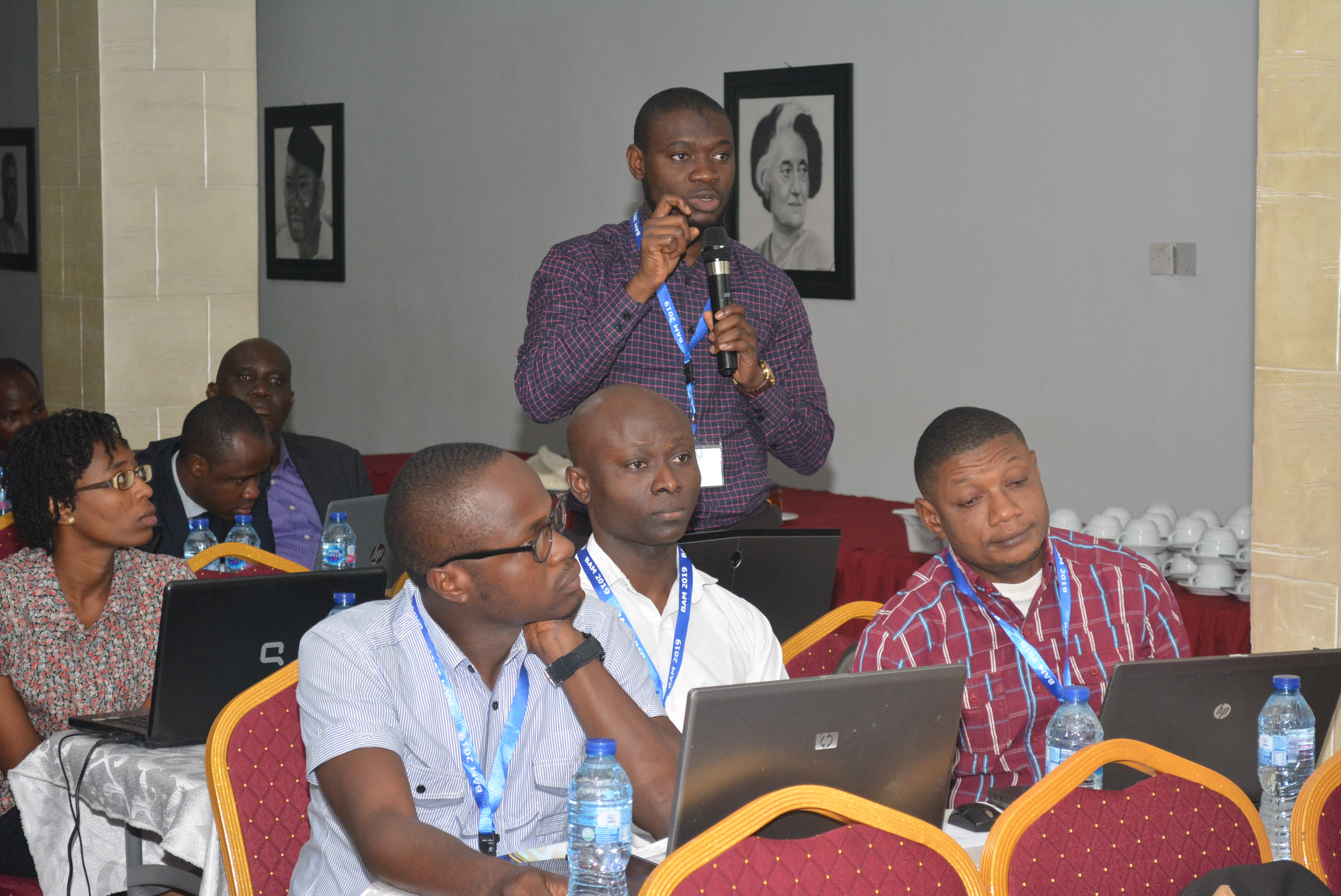
The event was organized within the framework of the United Nations Sustainable Development Goals (SDGs), addressing issues such as poverty reduction, healthcare, economic growth, and innovation. It was hosted by the Federal University of Technology, Akure, in partnership with TWAS Sub-Saharan Africa Regional Partner (TWAS-SAREP), the Nigeria Computer Society (NCS) Ondo State Chapter, and the Nigerian Young Academy (NYA).



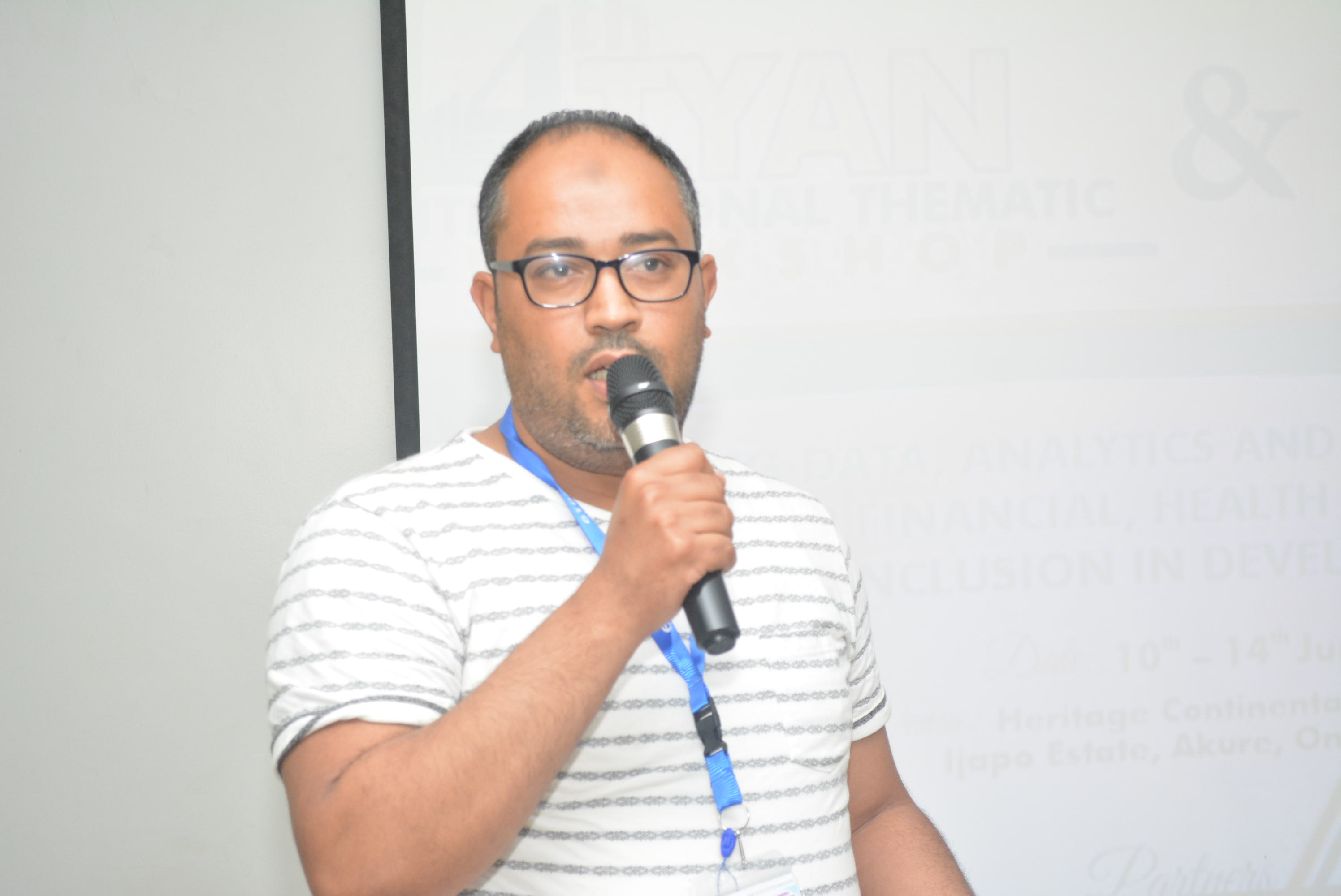
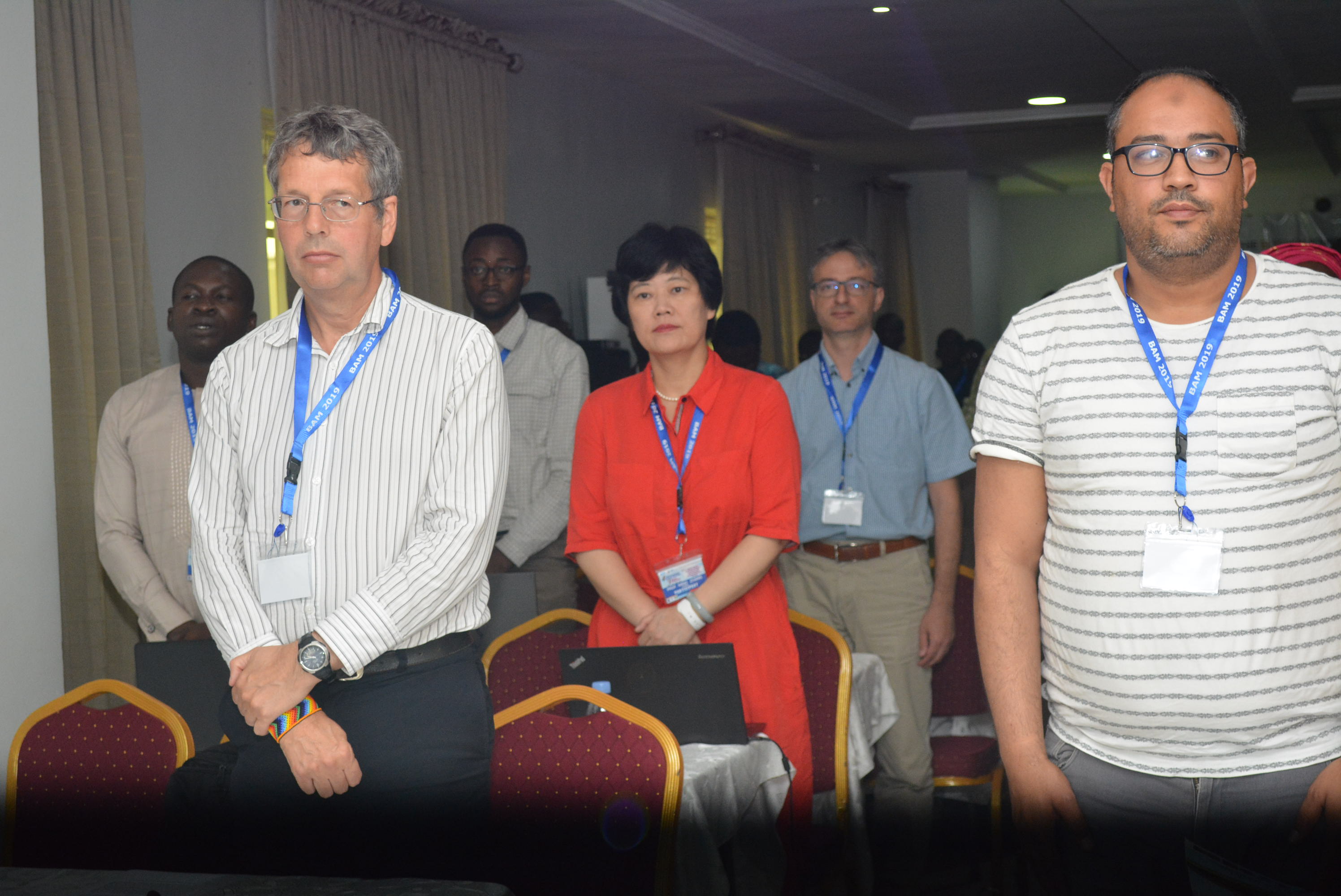
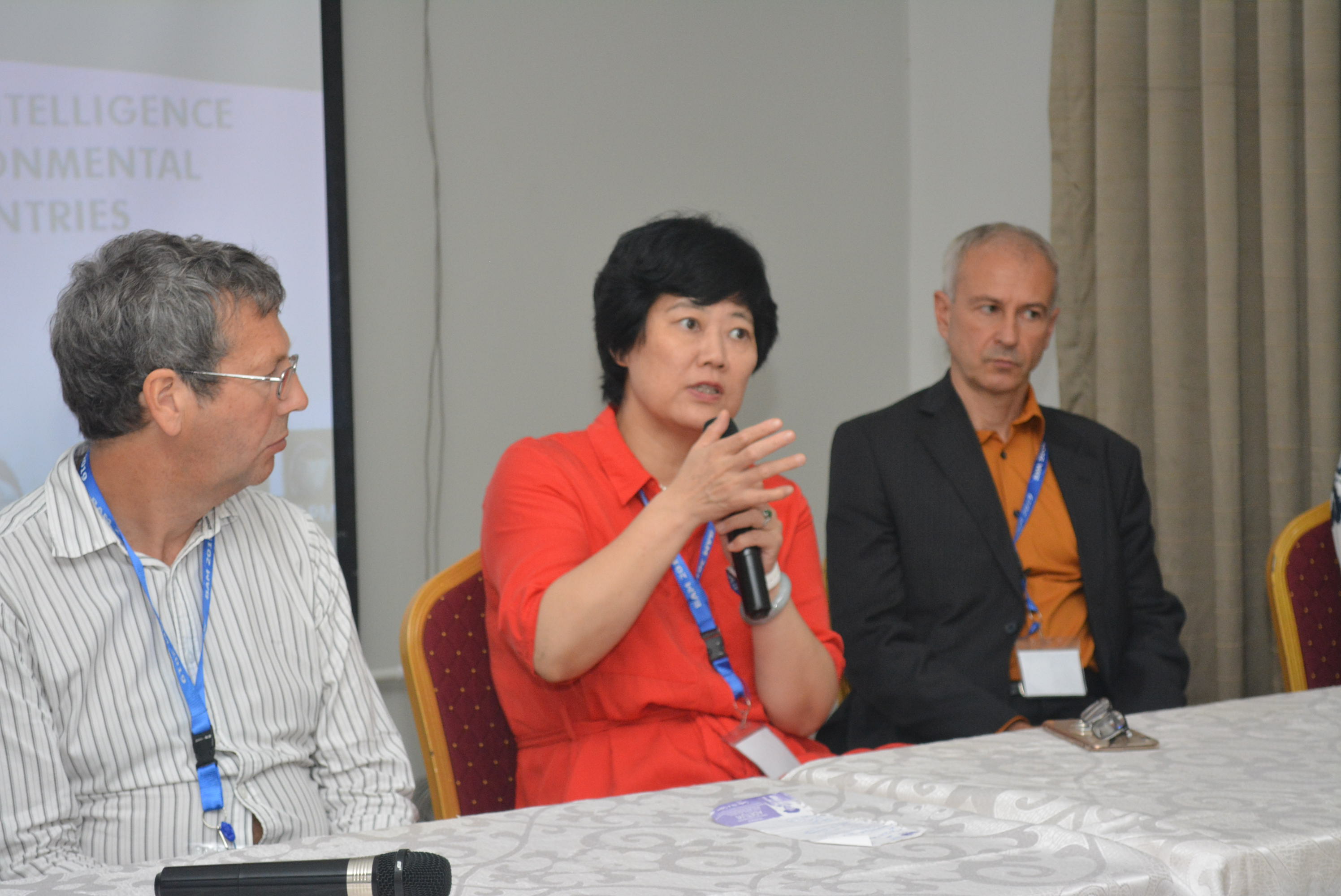
Program Highlights
- Keynote & Plenary Sessions: Experts in big data, AI, and machine learning shared insights on their applications in financial, health, and environmental sectors.
- Workshops & Training:
- Machine learning applications in drug design
- Data analysis using R, Spark, Python, and Hadoop
- Supervised machine learning for genetic diseases and agricultural image classification
- Hands-on Training:
- Google Cloud Platform
- Knowledge Graph and Representative Learning
- Decision tree analysis in biological sciences
- Networking & Panel Discussions: Focused on fostering collaborations between researchers, policymakers, and industry stakeholders.
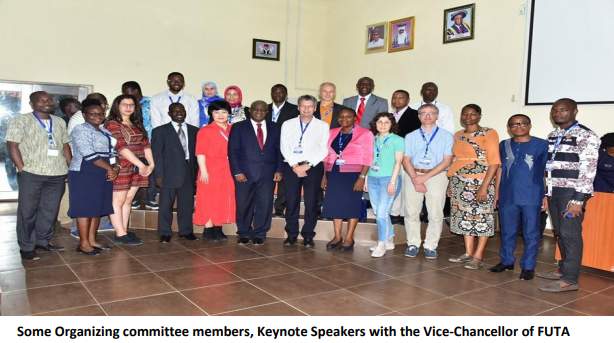

Speakers
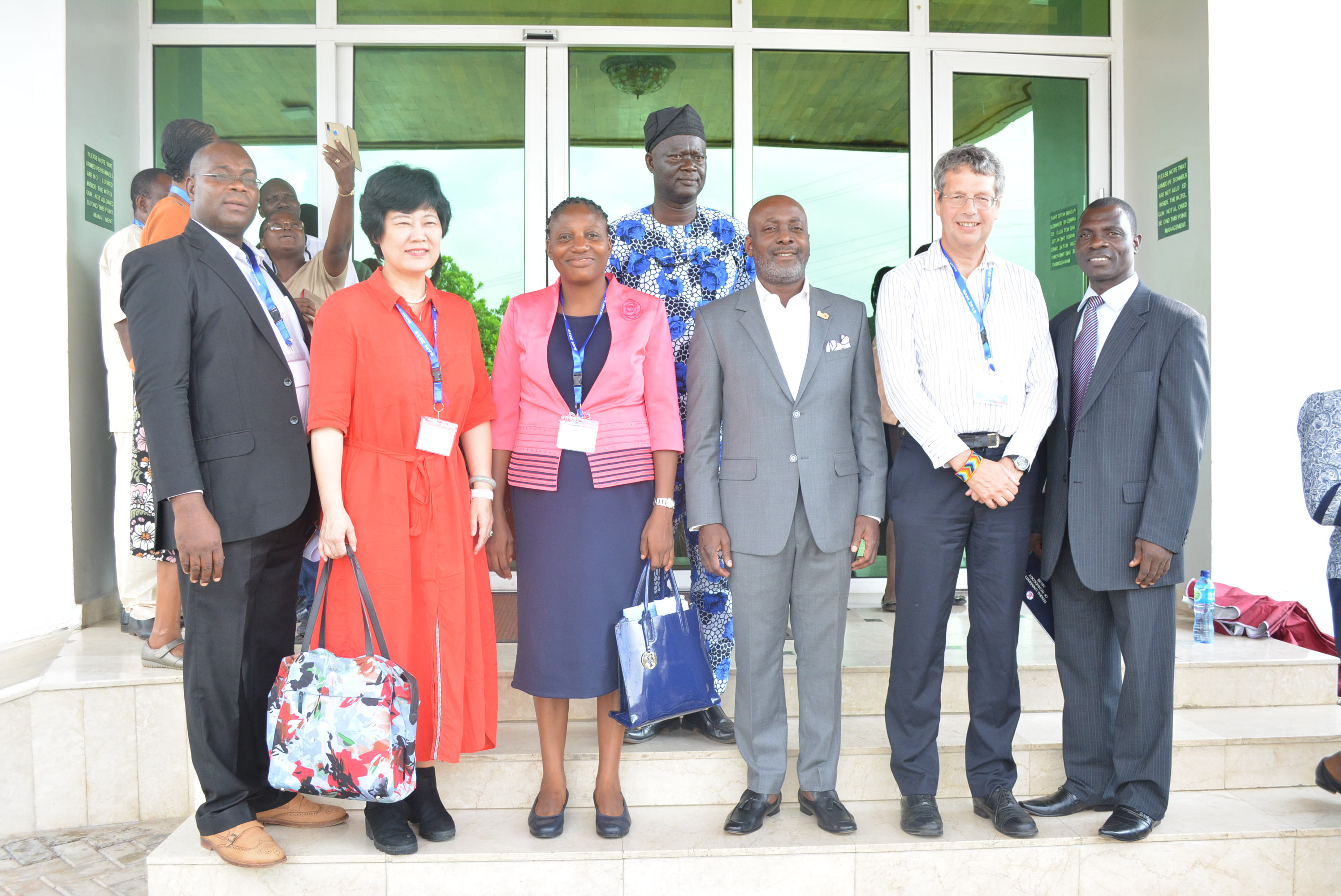
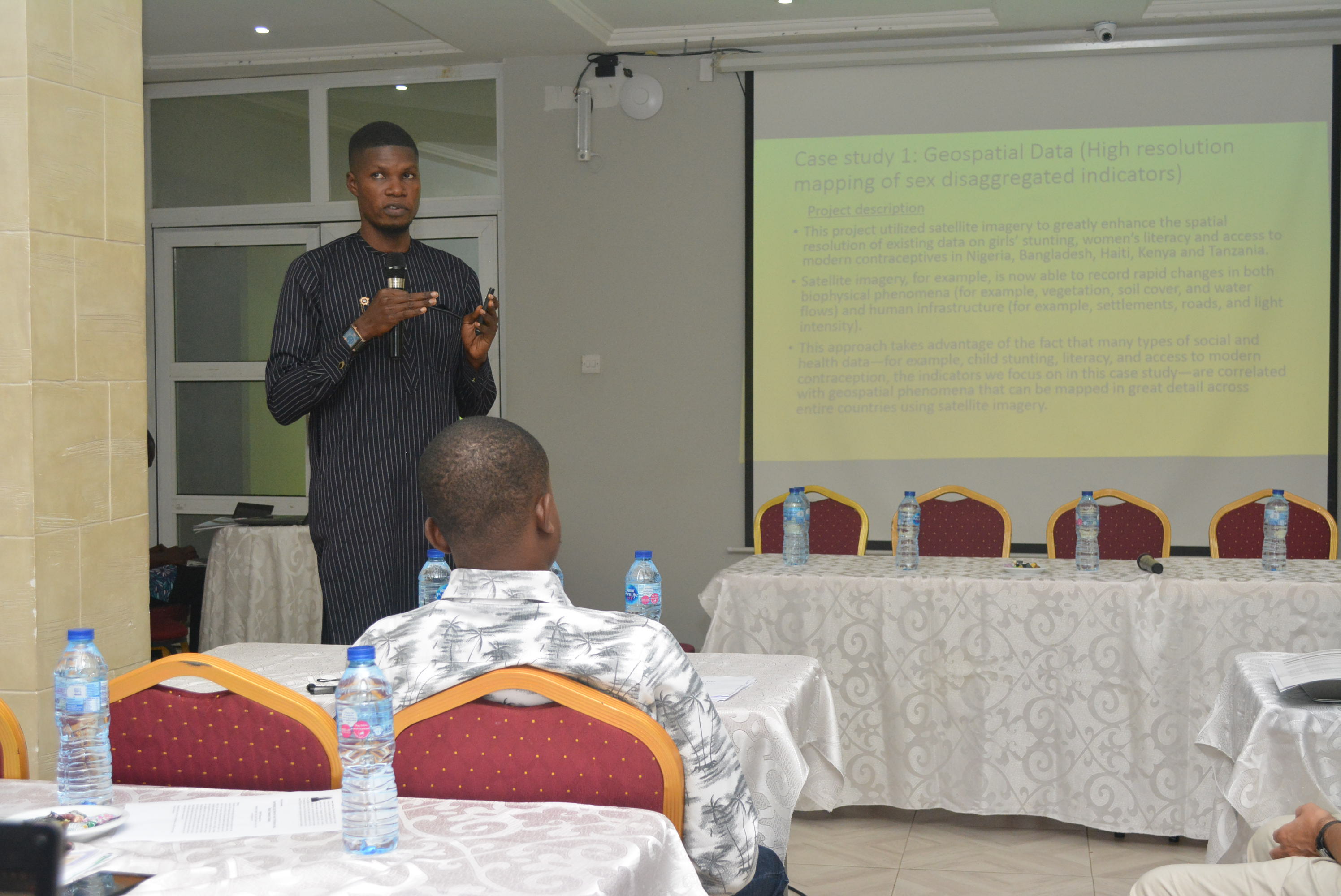
The workshop featured distinguished speakers from various institutions worldwide, including:
- Guanglin Li (China) – Biomedical Engineering Expert
- Ross King (UK) – AI and Machine Intelligence Researcher
- Romain Lucas Glele Kakai (Benin) – Biostatistics and Forest Modeling
- Lei Wang (China) – Biomedical and Surgical Robotics
- Matt Grasser (USA) – Fintech and Inclusive Financial Systems
- Ming Zhang (China) – Data Structures and AI in Chinese Computing
- Mustafa Ozuysal (Turkey) – Computer Vision and AI
- Emile Chimusa (South Africa) – AI in Genomics and Biomedical Sciences
- Selma Tekir (Turkey) – Natural Language Processing and Data Analysis
- Bolanle Ojokoh (Nigeria) – AI in Recommendation Systems and Information Retrieval
Impact
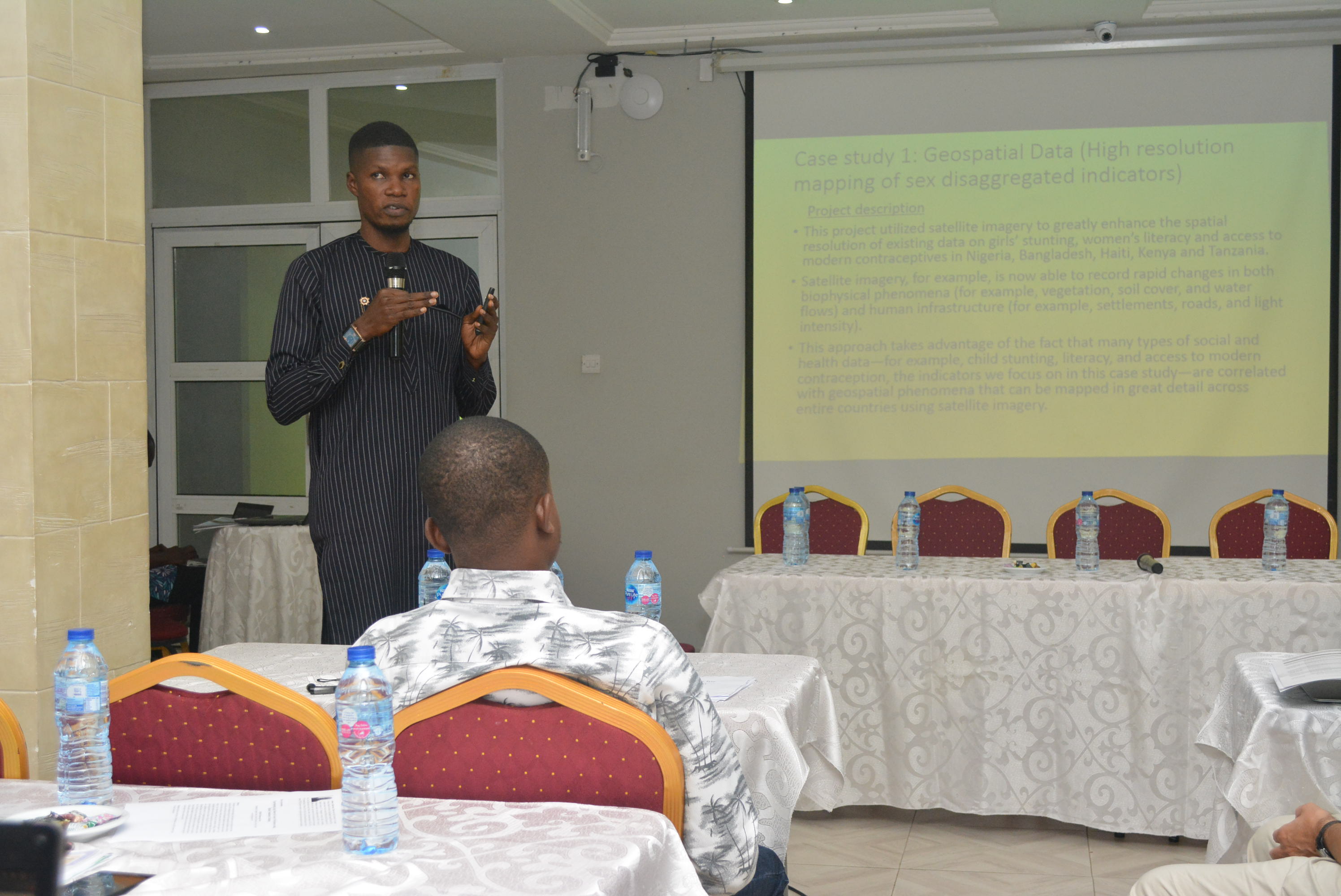
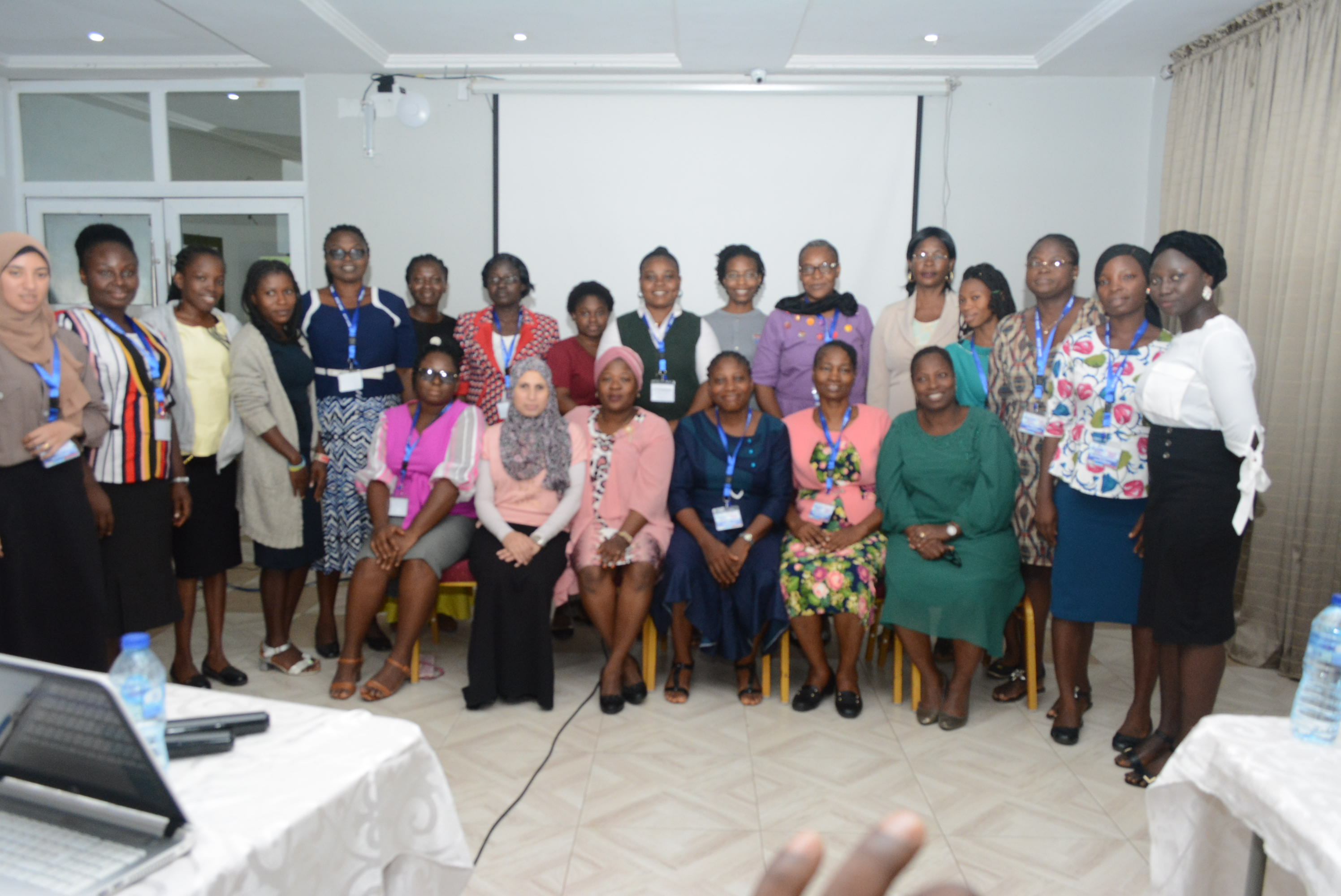

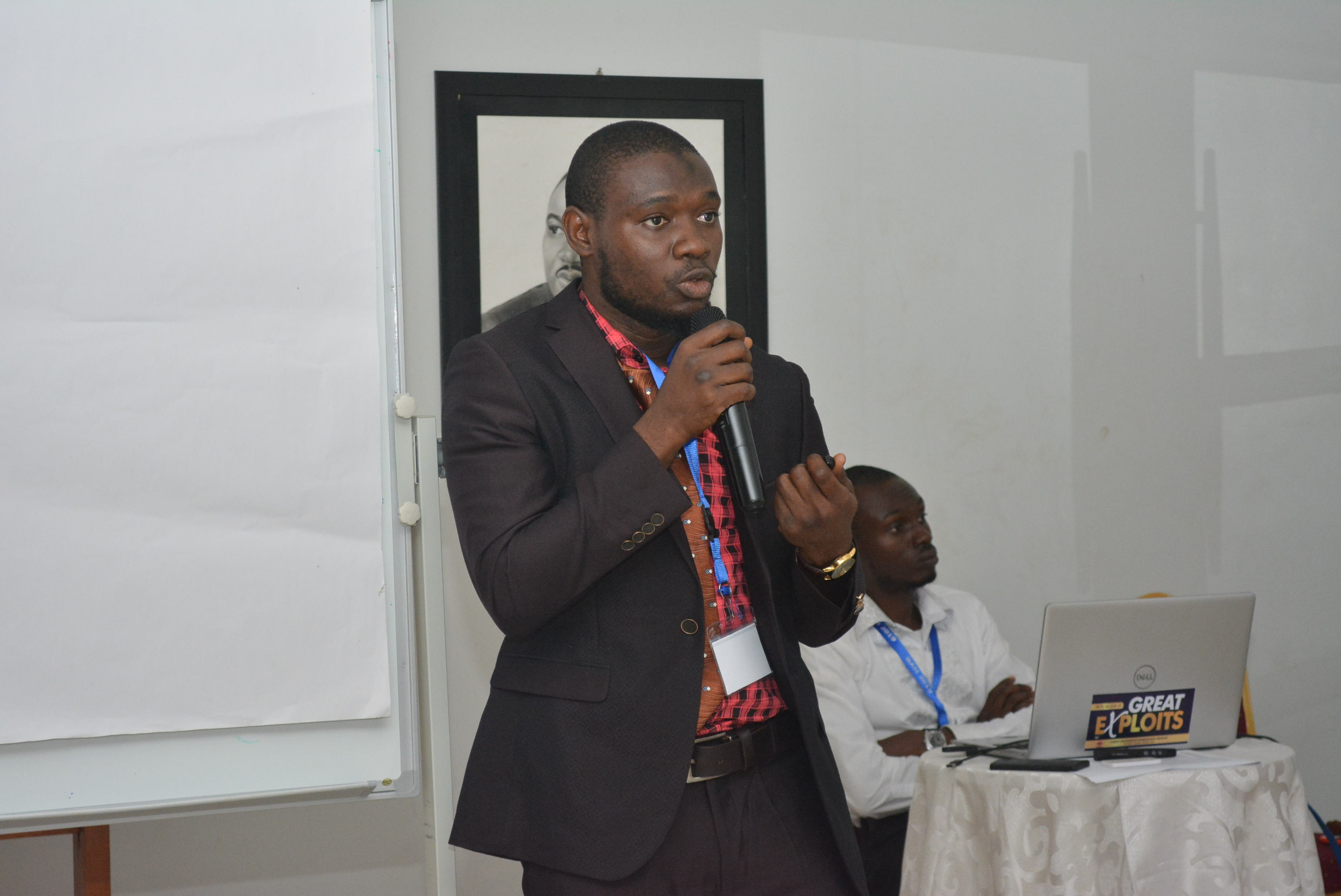
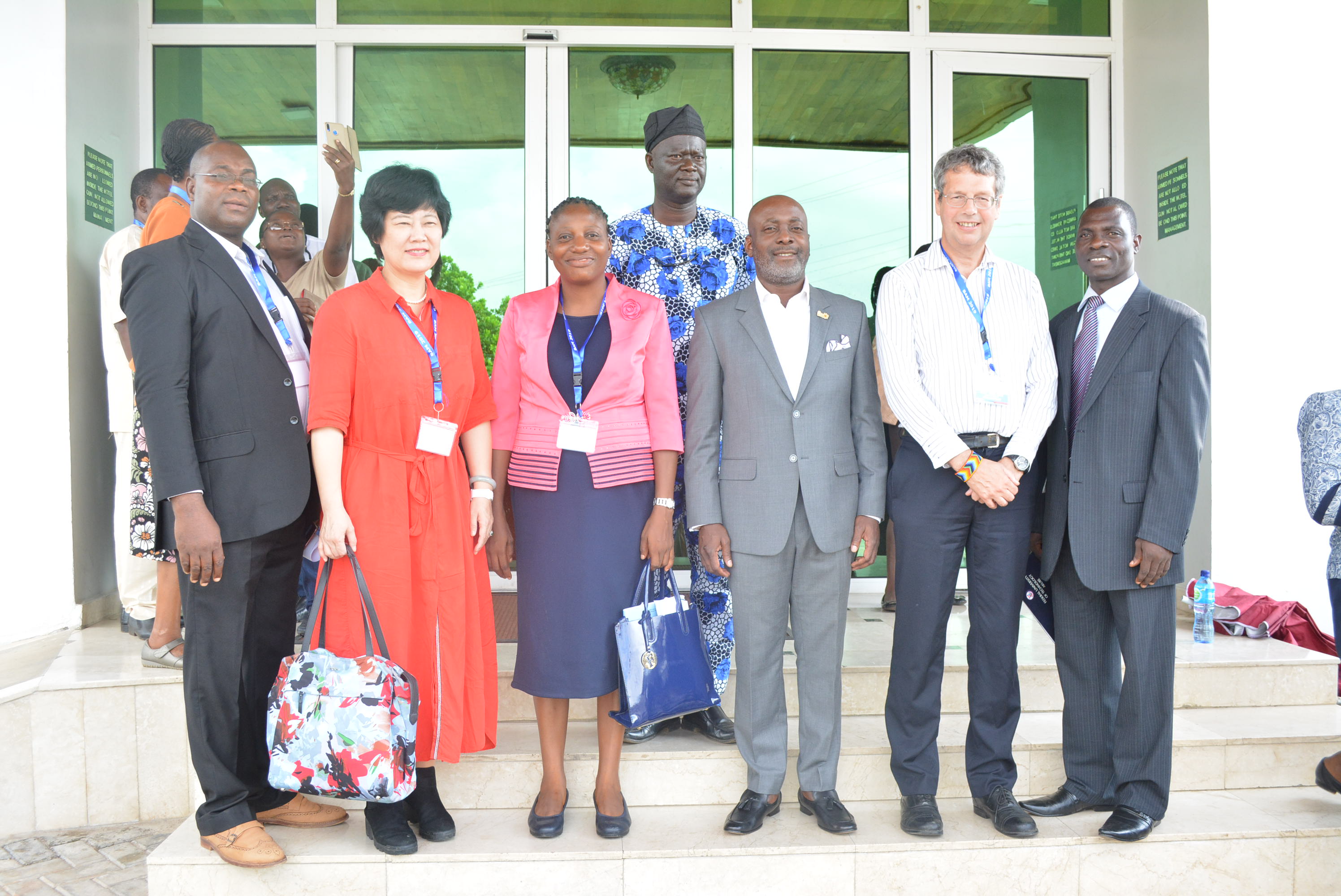
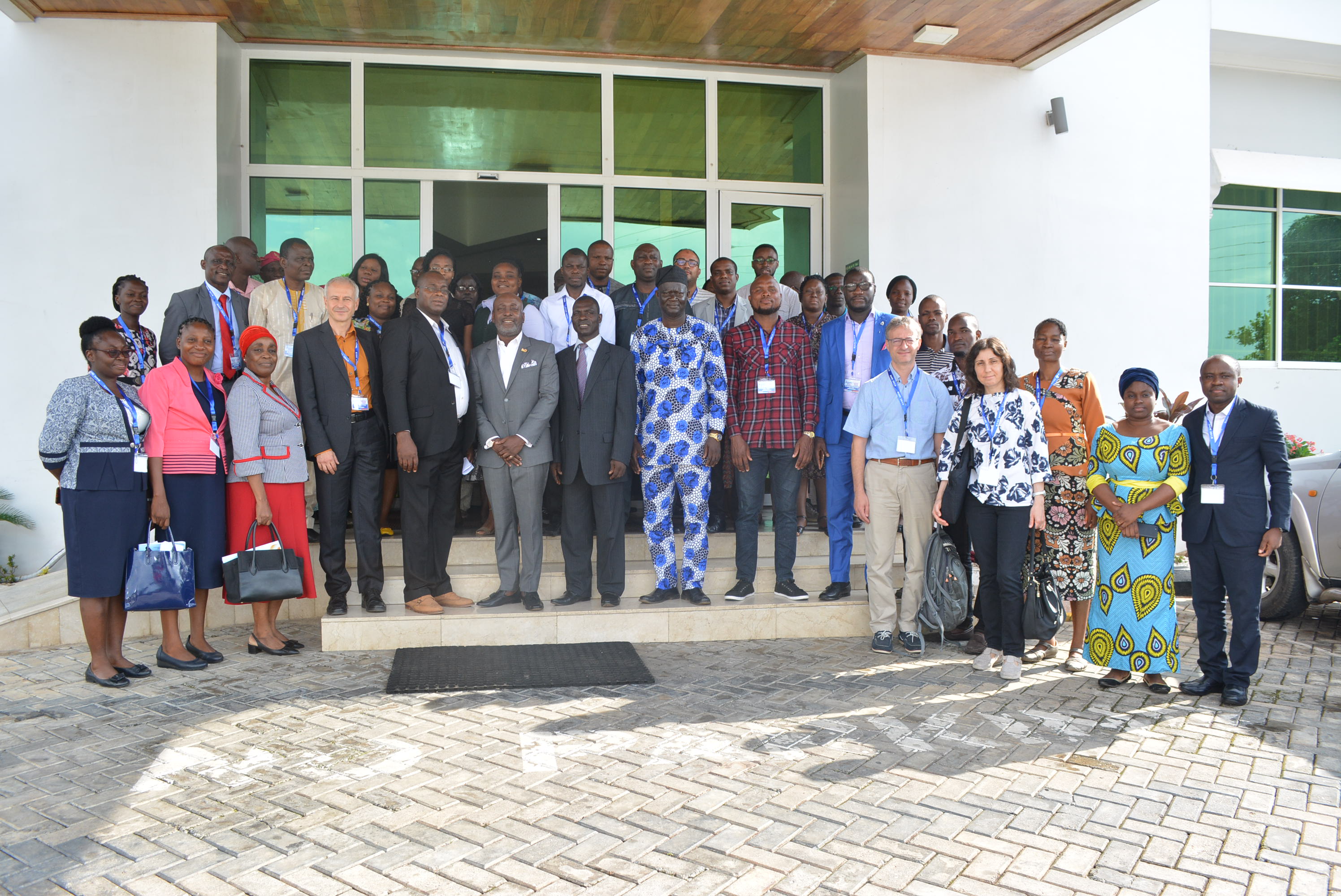
The event facilitated knowledge-sharing, skill-building, and networking opportunities for researchers, professionals, and students in Africa and beyond. Discussions and collaborations initiated during the event contributed to advancing AI, big data, and analytics applications in critical sectors for developing countries.
 African Symposium on Big Data, Analytics and Machine Intelligence